Adaptive Payment Frameworks: Powering Seamless Shifts in Mobile Gaming Apps
Felix Meier · Aug 22, 2026
Adaptive Payment Frameworks: Powering Seamless Shifts in Mobile Gaming Apps
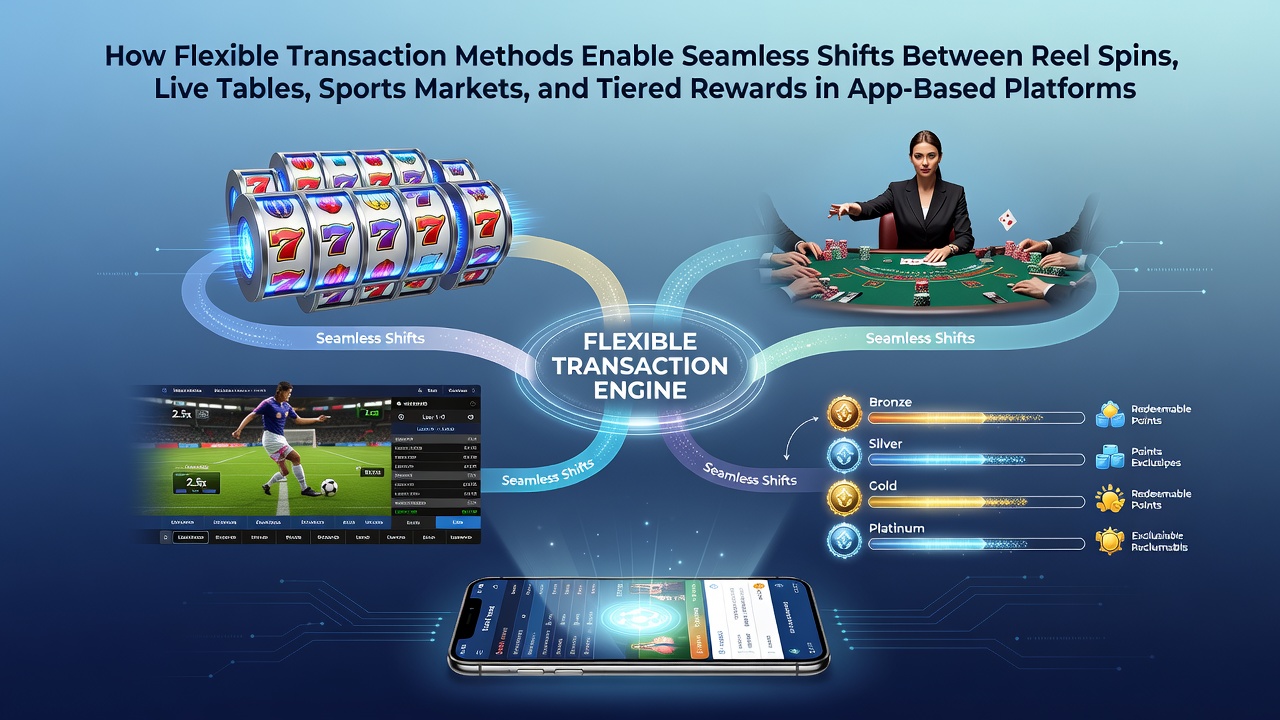
Data released in August 2026 shows that integrated transaction systems now support instant balance transfers across multiple game categories within single app environments, allowing users to move funds without separate verification steps for each section. These frameworks rely on unified wallets that maintain consistent account states whether players engage reel spins, live dealer tables, sports markets, or accumulated loyalty tiers. Research from industry analysts indicates that such systems reduce transaction friction by consolidating deposit and withdrawal processes into one backend layer that updates across all modules in real time. Observers note that real-time settlement protocols handle both incoming deposits and outgoing payouts through the same interface, which means a player finishing a sports wager can redirect remaining funds directly into a live table session without logging into a separate payment portal. According to reports from the Nevada Gaming Control Board, platforms employing these methods recorded average session continuity rates exceeding 85 percent when users switched categories mid-activity. The structure typically incorporates API connections between game engines and payment processors, ensuring compliance checks occur once per session rather than repeatedly.Unified Wallets and Cross-Category Movement
Developers implement these wallets by storing user balances in a central ledger that syncs with individual game servers through encrypted channels. This setup supports reel spin purchases, live table buy-ins, and sports market stakes from one visible total, while tiered rewards accumulate automatically based on total activity across all areas. Studies conducted by university research teams in Australia found that apps with this architecture saw a 40 percent increase in cross-category participation compared to those requiring separate account top-ups for each type of content.
Payment gateways in these environments often use tokenized credentials stored at the platform level, which eliminates the need to re-enter banking details when shifting from slots to a live dealer environment or from sports odds to a rewards redemption screen. Figures from the European Gaming and Betting Association reveal that transaction processing times averaged under three seconds for inter-category transfers in 2025 deployments, a metric that improved further with the introduction of multi-threaded verification in early 2026.
Integration with Live Tables and Sports Markets
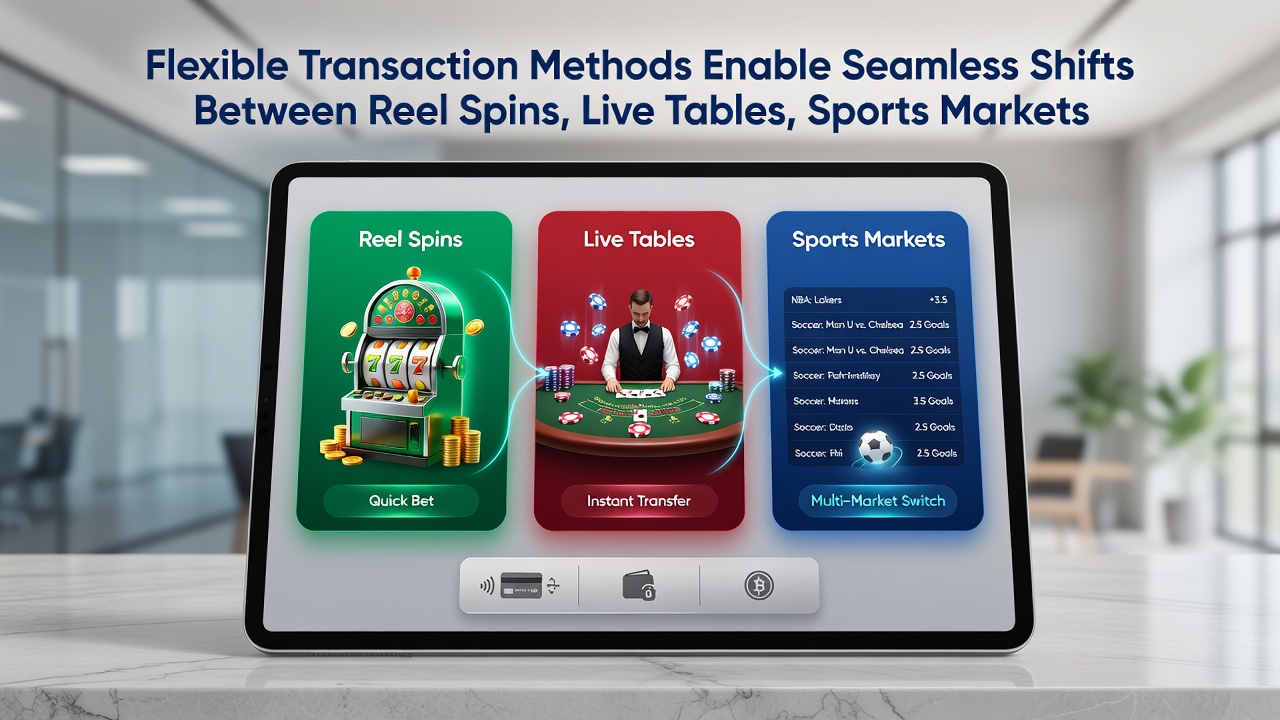
Live table modules connect to the same payment rail as sports betting interfaces, which allows a user to place a wager on an event and immediately allocate winnings toward a blackjack seat without intermediary steps. Sports markets benefit particularly because odds fluctuate rapidly; flexible systems update available balances instantly so that market changes do not force users to exit and re-enter funding flows. Those who have examined platform logs note that error rates for balance mismatches dropped significantly once unified ledgers replaced segmented accounts.
Tiered rewards programs draw from the same transaction data stream, awarding points based on combined spend across reel spins, table games, and sports activity. The points then convert into bonuses or cash equivalents that appear in the central wallet for immediate use in any category. Academic papers from Canadian research institutions highlight that this single-source tracking reduces administrative overhead for operators while maintaining transparent audit trails for regulatory review.
Technical Mechanisms Behind the Flexibility
Backend architectures employ event-driven triggers that detect category switches and adjust available payment options accordingly, such as enabling instant crypto transfers for sports markets while retaining card options for live tables. These triggers operate without user intervention, relying instead on predefined rules that respect jurisdictional limits on each game type. Data from platform operators shows that such automation correlates with higher retention figures because players encounter fewer interruptions when exploring new sections of an app.
Security layers wrap each transfer in multi-factor authentication that persists across modules, so a verified session in reel spins carries forward when the user moves to sports markets. This persistence avoids repeated prompts that previously fragmented user flow in earlier app generations. Reports compiled by international gaming associations confirm that platforms adopting persistent authentication alongside unified wallets experienced measurable declines in abandoned sessions during category transitions.
Conclusion
Flexible transaction methods continue to reshape how app-based platforms organize access to reel spins, live tables, sports markets, and tiered rewards by maintaining one coherent financial layer that updates across every component. Evidence from regulatory filings and academic analyses demonstrates that these systems support uninterrupted movement between categories while preserving compliance and security standards. As deployment expands, the same frameworks are expected to incorporate additional payment rails without requiring structural changes to existing game integrations.