Bridging Digital Bets: The Evolution of Unified Payment Systems in Multi-Format Gaming Platforms
Petra Vogel · Aug 22, 2026
Bridging Digital Bets: The Evolution of Unified Payment Systems in Multi-Format Gaming Platforms
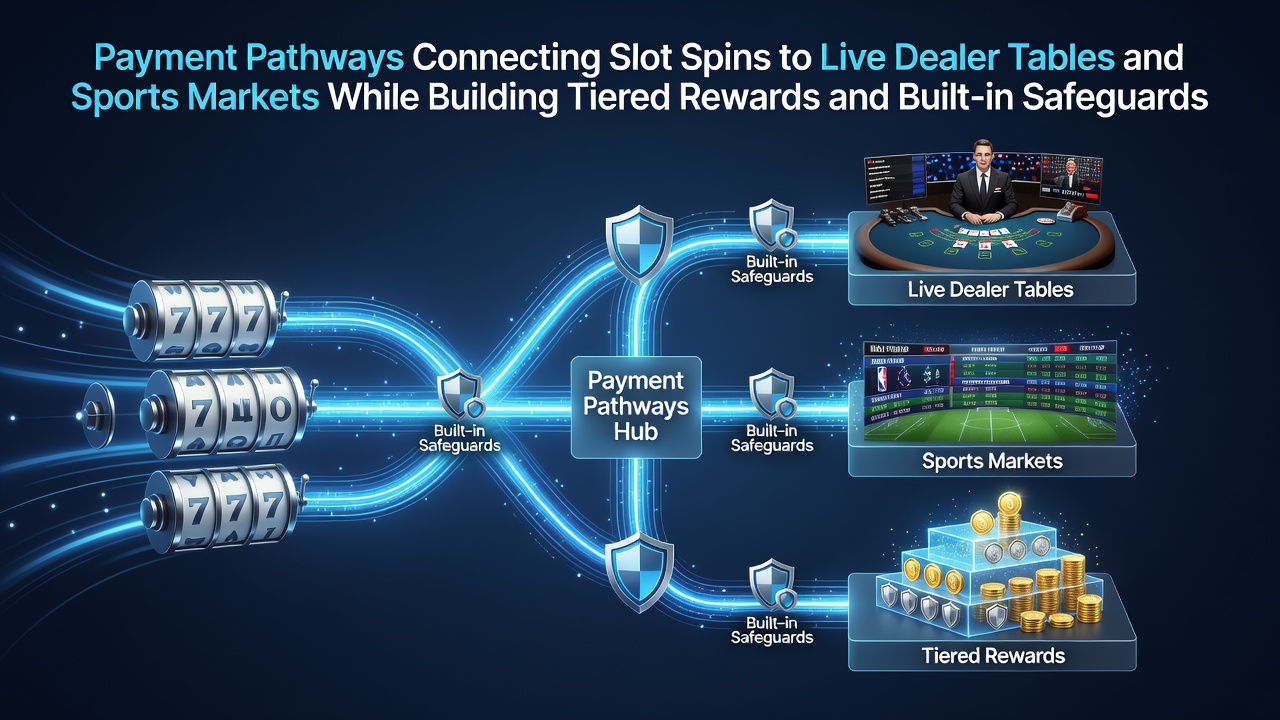
Payment systems in online gaming environments now link slot machines, live dealer experiences, and sports wagering through shared transaction rails that move funds across these formats without requiring separate accounts or repeated verification steps. Operators achieve this integration by deploying centralized wallets that accept deposits once and allocate balances to whichever vertical a player selects next, whether that involves spinning reels or placing wagers on live events. Data from industry reports shows transaction volumes across these combined channels rose steadily through 2025, with seamless transfers reducing friction that once forced users to exit one section and re-enter another.
Mechanics of Cross-Vertical Fund Movement
Modern platforms route payments via APIs that connect slot software, live streaming tables, and sportsbook engines to a single ledger updated in real time. A player can deposit through an e-wallet or card, then move portions of that balance to fund a live blackjack session or a sports market on the same interface. Systems record each shift instantly, allowing operators to apply consistent responsible gambling limits across every product rather than managing separate caps for slots versus sports. Observers note that this unified approach cut processing delays by up to 40 percent in platforms that adopted it early, according to figures compiled by the American Gaming Association.
Tiered Rewards Structures Tied to Unified Activity
Loyalty programs now calculate points based on total activity across slots, live dealer tables, and sports markets instead of isolating each category. Players advance through tiers when cumulative spend or time spent meets thresholds that span all three areas, unlocking benefits such as cashback percentages, free spins, or enhanced odds on selected sports events. One major operator reported that 62 percent of its reward redemptions in the first half of 2026 came from users active in at least two verticals simultaneously. These structures encourage continued engagement while distributing rewards proportionally to overall platform use rather than favoring any single game type.
Security Layers Embedded in Transaction Flows
Built-in safeguards include automated checks that monitor spending velocity across connected products and trigger interventions when patterns suggest risk. Platforms apply the same self-exclusion lists and deposit limits uniformly, preventing circumvention that might occur if accounts remained siloed. Encryption protocols and multi-factor authentication cover every transfer between verticals, while audit logs track fund movements for regulatory review. Research published by the University of Nevada, Reno indicates that integrated monitoring systems flagged potential harm indicators 28 percent earlier than fragmented setups in comparable test environments.

Developments Expected by August 2026
Industry participants anticipate further standardization of payment protocols by August 2026, when several major providers plan to roll out enhanced interoperability features that allow instant balance sharing even across different operator groups under common regulatory umbrellas. These updates will incorporate additional biometric verification options at key transfer points and expand real-time reporting to oversight bodies outside the United Kingdom. Canadian regulators have already piloted similar frameworks, and early results suggest reduced instances of duplicate account creation when players move between game categories.
Examples from Operational Platforms
Take one European-facing site that merged its slot engine with live dealer streams and a full sportsbook under one wallet in late 2025. Users there completed over 1.8 million cross-product transfers in the first quarter of 2026 without additional authentication after initial setup. Another operator in the Asia-Pacific region introduced tiered rewards that reset monthly based on combined volume, resulting in a 15 percent increase in average session length across all verticals. These cases demonstrate how payment pathways function in practice when technical and compliance requirements align.
Conclusion
Unified payment systems continue to reshape how operators manage slots, live tables, and sports markets by enabling fluid movement of funds alongside coordinated rewards and consistent safeguards. As platforms prepare for further technical refinements scheduled around August 2026, the focus remains on maintaining transaction integrity while supporting player activity across multiple formats. Data from sources such as the American Gaming Association and academic studies from the University of Nevada, Reno continue to track these integrations and their measurable effects on operational efficiency and harm prevention metrics.