Charting Secure Payment Channels Supporting Balanced Participation in Mobile Slots, Live Tables, and Sports Wagers
Noah Meier · Jul 15, 2026
Charting Secure Payment Channels Supporting Balanced Participation in Mobile Slots, Live Tables, and Sports Wagers
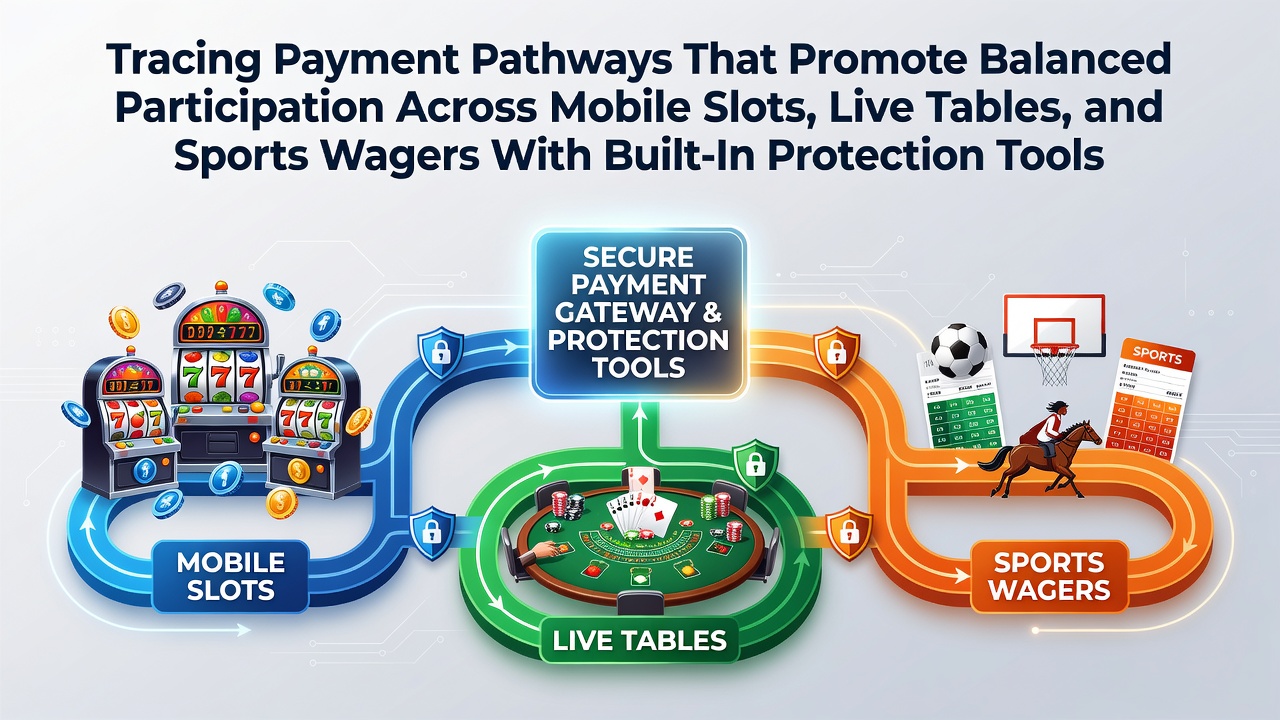
Payment systems in digital gambling environments now route funds through layered verification steps that tie directly into participation limits across mobile slots, live tables, and sports wagers, and these channels incorporate real-time monitoring features that adjust access based on player-set thresholds.
Payment Routing Mechanics Across Game Categories
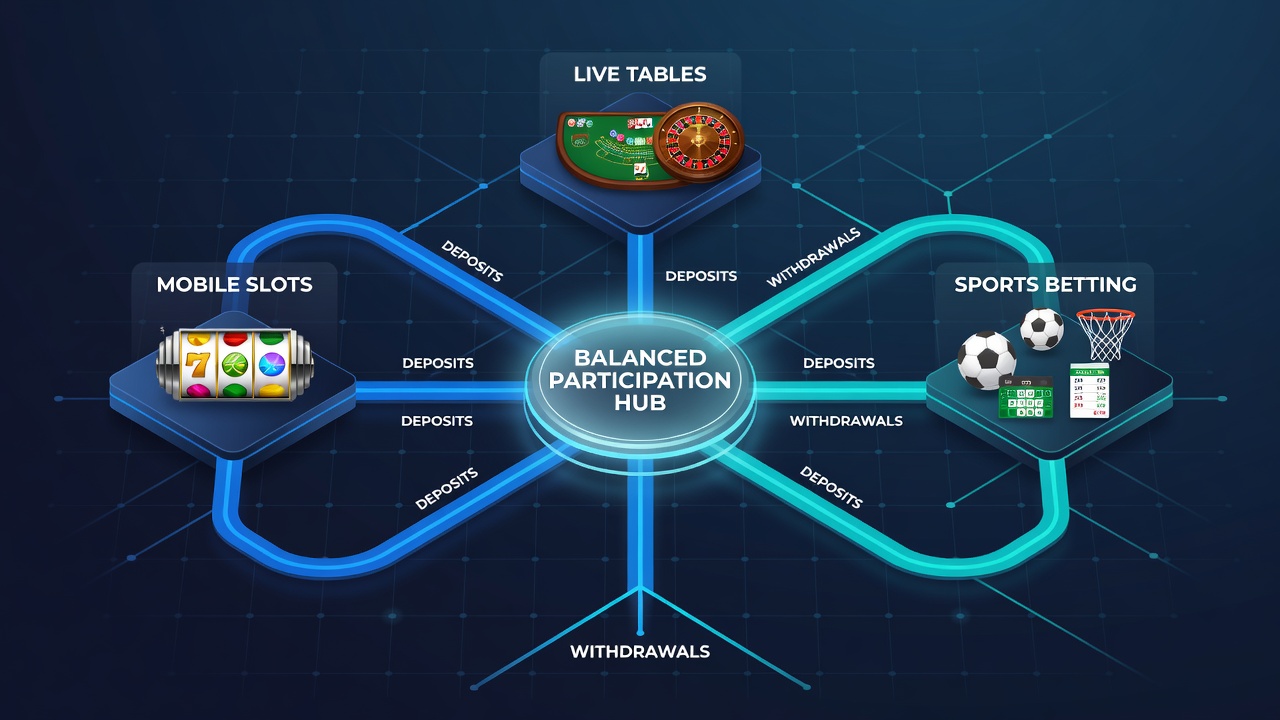
Operators configure deposit and withdrawal pathways so that funds allocated to mobile slots trigger the same verification protocols as those directed toward live tables or sports wagers, which creates a unified ledger view that prevents isolated spending spikes in any single category. Data from industry reports shows that integrated wallets reduce cross-category overspending by linking transaction histories and applying cumulative caps that users adjust through account dashboards.
Those who manage multi-game platforms note that routing engines flag when activity in one area, such as frequent small stakes on slots, begins to mirror patterns seen in sports wagers or live dealer sessions, and automated alerts prompt users to review their overall allocation before further transfers proceed.
Built-In Protection Tools Within Transaction Flows
Protection mechanisms embed directly into payment authorization sequences, so a deposit request pauses if it exceeds a pre-set daily or weekly boundary that covers all three verticals simultaneously. Systems apply velocity checks that count total transactions rather than isolating them by game type, and this approach ensures that participation remains distributed rather than concentrated in whichever format offers quicker outcomes.
Research from academic sources on digital payment behaviors indicates that such unified controls correlate with steadier engagement patterns, as players receive prompts to redistribute remaining balances across slots, tables, and wagers instead of exhausting limits in one area. External processors often mirror these internal rules by requiring secondary confirmation when aggregate activity approaches defined markers.
Examples of Cross-Format Balance in Practice
One documented case involves platforms that automatically allocate a percentage of incoming deposits toward each category based on historical averages, while still allowing manual overrides subject to the same protection layers. Users who shift emphasis toward live tables, for instance, encounter the same session timers and loss caps that apply during sports wager streaks or extended slot sessions.
Figures from regulatory filings in multiple jurisdictions reveal that operators adopting these pathways report fewer instances of category-specific spikes, because the payment layer itself enforces visibility into total exposure across mobile slots, live tables, and sports wagers. Payment gateways from diverse providers integrate APIs that pull real-time data from all verticals before approving any single transfer.
Developments Around July 2026
By July 2026 several payment processors had expanded their compliance modules to include dynamic weighting that favors balanced distribution, and these updates coincided with new interface standards that display category breakdowns at every deposit or withdrawal stage. Observers note that such changes allow users to maintain participation levels across formats without one area dominating the transaction record.
Industry organizations tracking these evolutions highlight how the added layers reduce friction for responsible play while maintaining transaction speed for verified accounts. Systems now route confirmation messages through the same channels regardless of whether the funds target slots, tables, or wagers, which reinforces consistent application of protection settings.
Conclusion
Payment pathways that span mobile slots, live tables, and sports wagers continue to incorporate monitoring tools that enforce cumulative limits and visibility features, and these developments support steadier participation patterns as documented across multiple operator reports and external analyses. The structure ensures that verification and allocation processes treat each category as part of a single activity profile rather than isolated streams.