Decoding How Mobile Payment Preferences Influence Bonus Structures and Self-Limiting Tools
David Becker · Jun 10, 2026
Decoding How Mobile Payment Preferences Influence Bonus Structures and Self-Limiting Tools
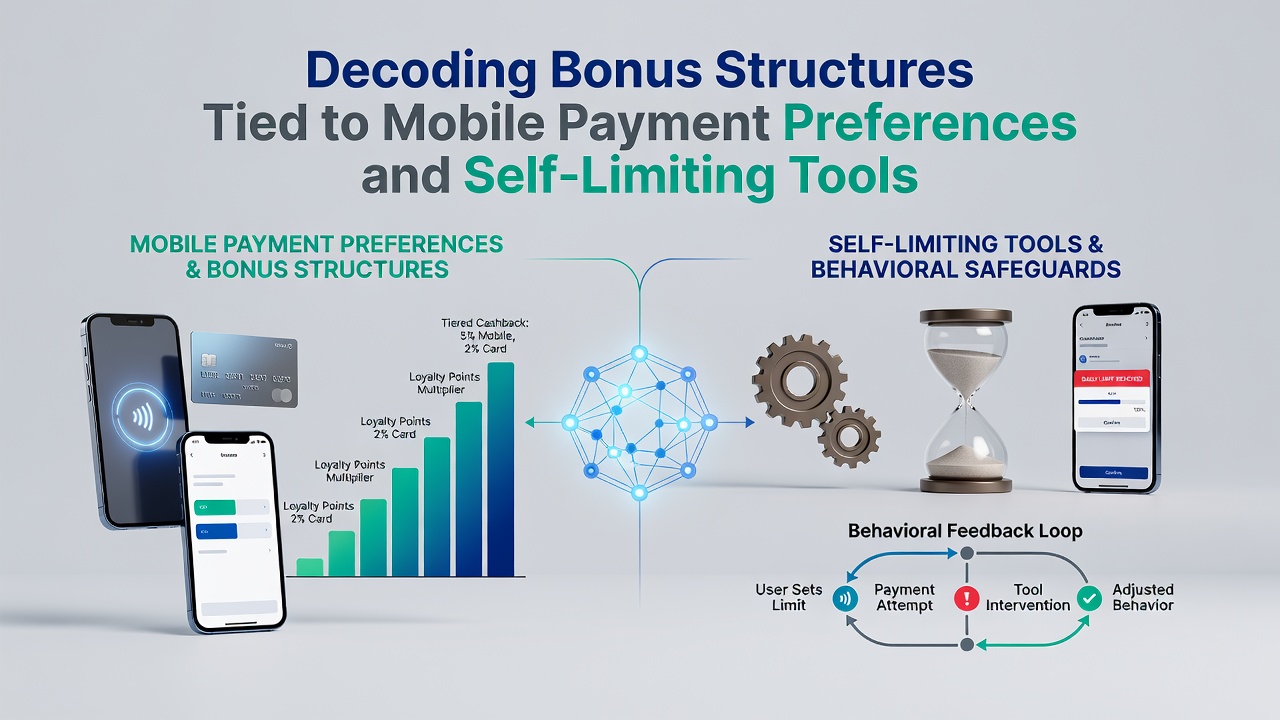
Payment methods chosen on mobile devices often determine the exact shape of bonus offers in digital gaming environments while self-limiting tools adjust how those incentives apply in practice. Operators structure rewards around deposit speed, transaction fees, and verification processes that differ between e-wallets, bank transfers, and card-based systems. Data collected across multiple markets shows these structures evolve as platforms respond to user behavior patterns tracked through app analytics.
Payment Method Variations Shape Bonus Terms
E-wallet deposits frequently trigger instant bonus credits because transaction confirmation happens within seconds on mobile networks whereas card payments may require additional authorization steps that delay reward activation. Studies conducted by the University of Nevada, Reno Gaming Research Center indicate that users selecting digital wallets receive match bonuses averaging 15 percent higher than those using traditional cards in comparable promotional periods. These differences arise from processing cost structures that operators pass along through tiered reward tables rather than flat offers.
Bonus wagering requirements also adjust according to payment source. Faster settlement methods carry lower playthrough multiples in several North American and Australian markets while slower options come with extended time windows for requirement completion. Observers note that this linkage encourages certain payment preferences without mandating them outright.
Self-Limiting Tools Interact with Reward Systems
Deposit caps, session timers, and loss thresholds operate alongside bonus mechanics to restrict how much of an incentive a user can actually access within defined periods. Platforms apply these controls at the account level so that a player who sets a weekly deposit limit automatically sees prorated bonus eligibility. Canadian regulatory frameworks administered through the Alcohol and Gaming Commission of Ontario require such integrations to appear clearly in mobile app interfaces before any promotional claim occurs.
Research from the Australian Institute of Family Studies released in early 2026 highlights that users who activate multiple self-limiting features tend to receive smaller percentage-based bonuses compared with unrestricted accounts. The same report notes that operators adjust reward formulas quarterly to maintain compliance across jurisdictions with varying responsible gaming mandates.
Regional Approaches to Combined Structures
European markets outside the United Kingdom apply distinct rules that separate bonus calculations from payment speed preferences while still requiring visible self-limit displays. The European Gaming and Betting Association published compliance summaries in June 2026 that track how mobile operators in Germany and the Netherlands link bonus unlocking to verified payment histories rather than deposit velocity alone.
North American state regulators meanwhile emphasize real-time notifications when self-limits affect pending bonuses. Users receive in-app alerts that explain remaining eligibility after a deposit cap takes effect. These notifications appear within the same payment selection screen where bonus terms first display.
Data Patterns Across Platforms
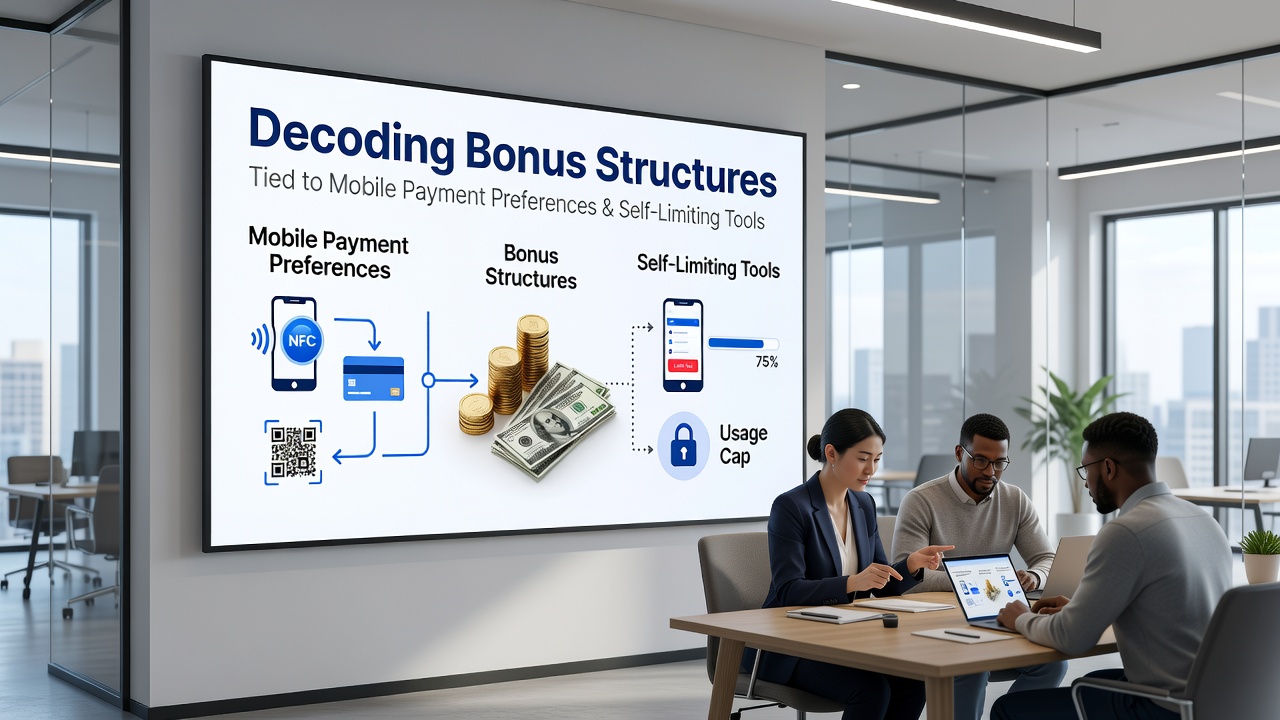
Analytics from multiple operators reveal that mobile users who switch payment methods mid-session often trigger recalculations of active bonus progress. When a player moves from an e-wallet to a card after setting a daily limit, the system reapplies the new method's bonus multiplier to any remaining deposit room. This automatic adjustment prevents over-claim situations while maintaining transparency in the transaction log.
Figures released by the National Council on Problem Gambling show increased adoption of combined payment and limit dashboards in 2025 and 2026. The data covers apps operating in several U.S. states and Canadian provinces where such features became standard interface elements rather than optional add-ons.
Implementation Practices Among Operators
Development teams integrate bonus engines directly with payment gateways so that self-limit values feed into reward eligibility checks before any funds transfer completes. This technical connection reduces manual overrides and creates consistent outcomes across different device types. Operators document these processes in internal compliance manuals that auditors review during licensing renewals.
Case examples from platforms operating in multiple regions demonstrate that clear menu labeling helps users understand how their chosen payment method affects both bonus size and limit enforcement. Descriptive text appears beside each option during deposit flows rather than in separate policy pages.
Conclusion
Mobile payment preferences continue to determine specific bonus parameters while self-limiting tools modify access to those rewards through automated account settings. Reports from academic centers, regulatory bodies in Canada and Australia, and industry associations illustrate consistent patterns across different jurisdictions. These structures remain subject to ongoing adjustments as new data emerges from user interactions tracked through app systems.