Deposit Method Dynamics in Handheld Wagering Tools and Self-Regulation Outcomes
Noah Meier · Aug 3, 2026
Deposit Method Dynamics in Handheld Wagering Tools and Self-Regulation Outcomes
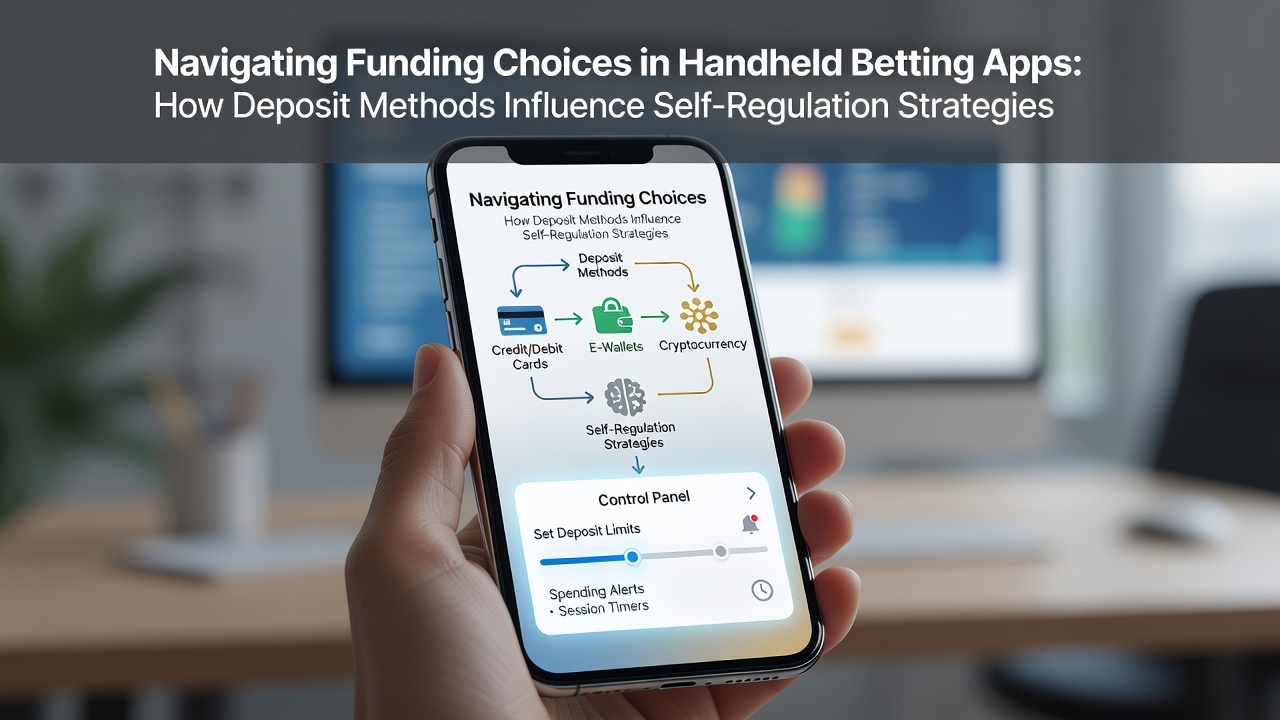
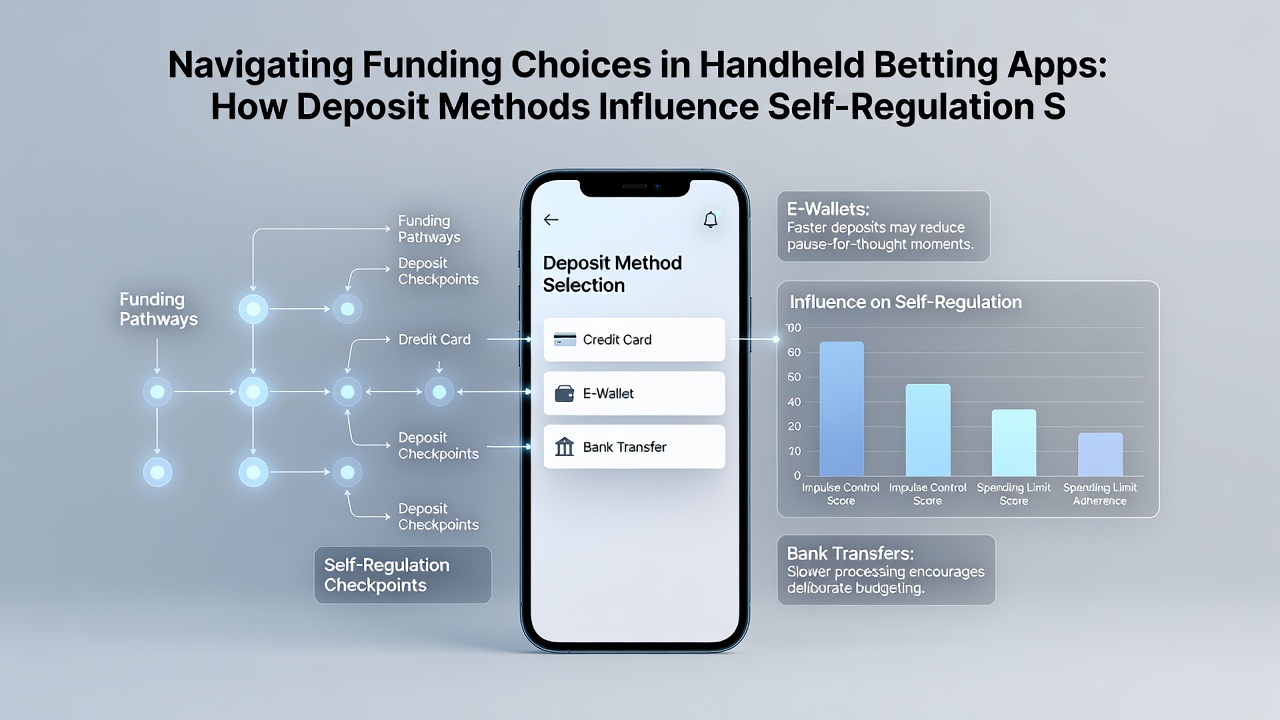
Handheld betting applications offer multiple funding pathways that connect directly to how users establish and maintain personal spending boundaries, with payment speed, verification requirements, and transaction visibility all playing measurable roles in those patterns. Observers note that instant deposit options such as digital wallets often reduce friction between decision and action, while bank transfers introduce deliberate delays that can interrupt impulse sequences. Data from regulatory filings in multiple jurisdictions show that apps providing both immediate and delayed methods record different usage distributions, particularly when users activate built-in limit tools at the point of funding.
Payment types break down into several categories that affect self-regulation in distinct ways. Credit and debit card deposits typically process within seconds yet leave clear statements that users review later, creating an after-the-fact check. E-wallet services add an extra account layer that some players use to set separate spending caps before transferring funds into the betting environment. Cryptocurrency options introduce variable confirmation times alongside fluctuating values, which researchers have linked to altered perceptions of loss magnitude in session data. Bank transfers, by contrast, require advance planning and often carry higher minimum thresholds, factors that align with lower frequency but higher average transaction sizes according to aggregated transaction logs analyzed in industry reports.
Transaction Timing and Limit Setting Behaviors
Studies tracking user interactions find that deposit speed correlates with how frequently individuals adjust their deposit limits or activate cooling-off periods. When funding completes instantly, the opportunity to pause and reconsider shrinks, yet the same apps frequently embed limit prompts directly on the deposit screen to offset that effect. Slower methods allow users more time to consult external budgets or discuss choices with accountability partners before funds arrive. One analysis of session logs from 2024 through mid-2026 indicated that players who selected delayed funding routes revisited their self-imposed caps at higher rates than those using instant channels, though overall spend volumes remained comparable across groups when other variables stayed constant.
August 2026 brought updated integration standards in several markets requiring apps to display real-time remaining balance information alongside every deposit confirmation, a change that operators implemented to strengthen visibility into cumulative activity. Those modifications arrived alongside new API requirements that let users link external budgeting applications, creating additional checkpoints before funds transfer. Early compliance data suggest these features appear more frequently on platforms that already support multiple deposit speeds, giving users consistent access to the same control tools regardless of chosen method.
Verification Layers and Behavioral Feedback
Verification steps required by different payment providers add another dimension to self-regulation. Card transactions often trigger immediate identity checks that interrupt rapid successive deposits, while some e-wallet setups allow pre-verified accounts to bypass repeated confirmations. Research published by the National Council on Problem Gambling examined how these friction points influence break frequency, finding that users encountering extra verification steps during high-velocity sessions paused more often than those on streamlined pathways. The same report noted that platforms displaying transaction histories within the app interface recorded increased user-initiated limit reviews, independent of deposit speed.
Geographic differences emerge when comparing regulatory environments. Canadian provincial frameworks emphasize mandatory spend trackers tied to funding accounts, whereas certain Australian state guidelines focus on mandatory cooling periods triggered after rapid successive deposits regardless of method. A 2025 joint study from university researchers in both regions examined over 2.3 million accounts and reported that visibility of spend across all funding sources produced stronger adherence to personal limits than method-specific restrictions alone. Those findings align with earlier work from the Australian Institute of Health and Welfare that tracked similar patterns in land-based and digital environments.
Integration of Funding Choices With Platform Tools
Modern handheld applications increasingly bundle deposit selection with self-regulation features at the account level rather than isolating them. Users who choose recurring deposit schedules through linked bank accounts encounter automated reminders before each transfer executes, a mechanism that some operators have extended to e-wallet and card options as well. Transaction categorization within the app lets players tag deposits by purpose or session type, generating reports that highlight patterns across different funding routes. Observers tracking feature adoption note that platforms rolling out these combined tools in 2025 and 2026 saw measurable increases in users setting multiple overlapping limits, such as daily, weekly, and monthly caps applied uniformly across all payment types.
Cross-border operators face additional complexity because payment provider availability varies by jurisdiction, forcing apps to maintain parallel self-regulation interfaces that adapt to local funding options. Data aggregated across these platforms indicate that users who regularly switch between deposit methods within a single account tend to review their overall activity summaries more frequently than single-method users, possibly because the varied transaction records make spending patterns more salient. Developers have responded by standardizing dashboard displays so that limit adjustments affect all connected funding sources simultaneously rather than requiring separate configurations.
Conclusion
Deposit method selection in handheld betting apps intersects with self-regulation through timing, verification, visibility, and integration features that operators continue to refine. Available evidence from regulatory filings, academic analyses, and compliance updates through August 2026 shows consistent relationships between payment characteristics and how users interact with limit-setting tools, though outcomes depend on the specific combination of methods and platform design choices. Continued monitoring across regions will clarify which configurations most reliably support consistent application of personal boundaries regardless of chosen funding pathway.