Diverse Funding Sources Driving Progressive Rewards Across Mobile Gaming Platforms
David Becker · Aug 17, 2026
Diverse Funding Sources Driving Progressive Rewards Across Mobile Gaming Platforms
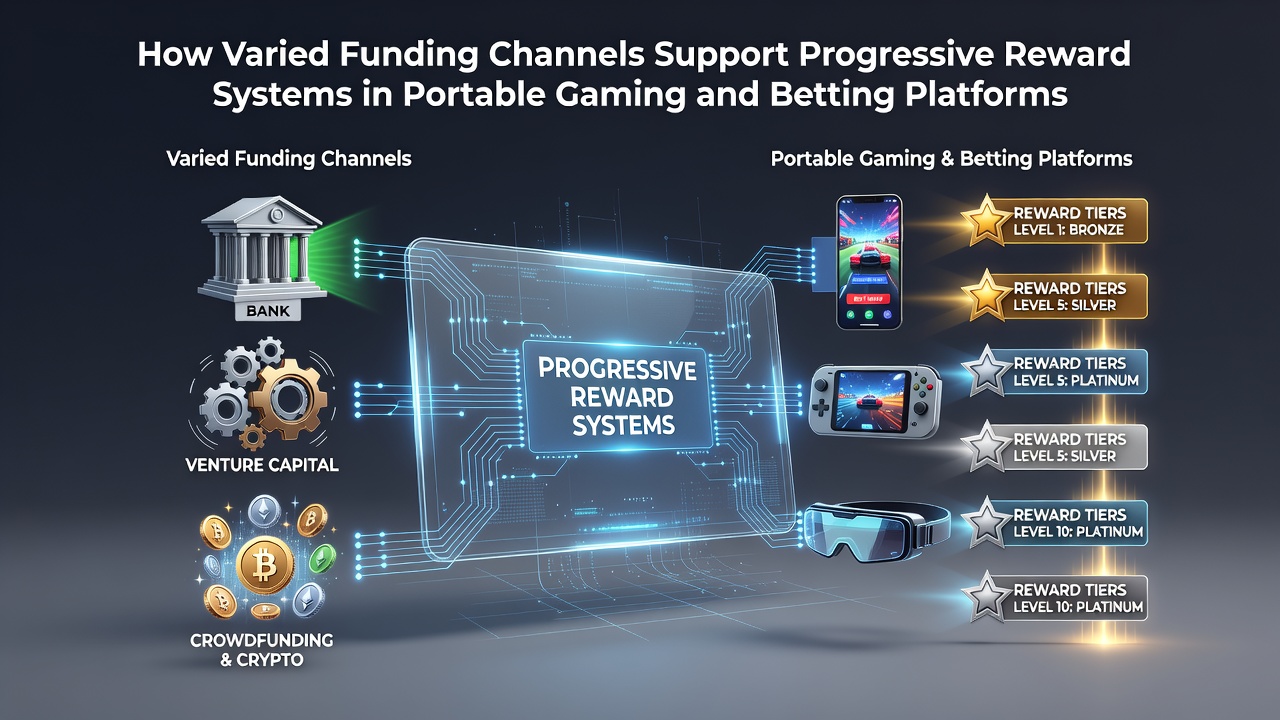
Portable gaming and betting platforms rely on multiple revenue streams that together sustain layered reward structures, where users advance through tiers based on cumulative activity and spending patterns. These systems track participation across slots, sports wagers, and live dealer sessions while allocating points that unlock escalating benefits such as cashback percentages, exclusive event access, and customized bonuses. Observers note that this integration allows operators to maintain engagement without depending on any single income source, creating stability even when market conditions shift in one segment.
Primary Funding Channels in Mobile Ecosystems
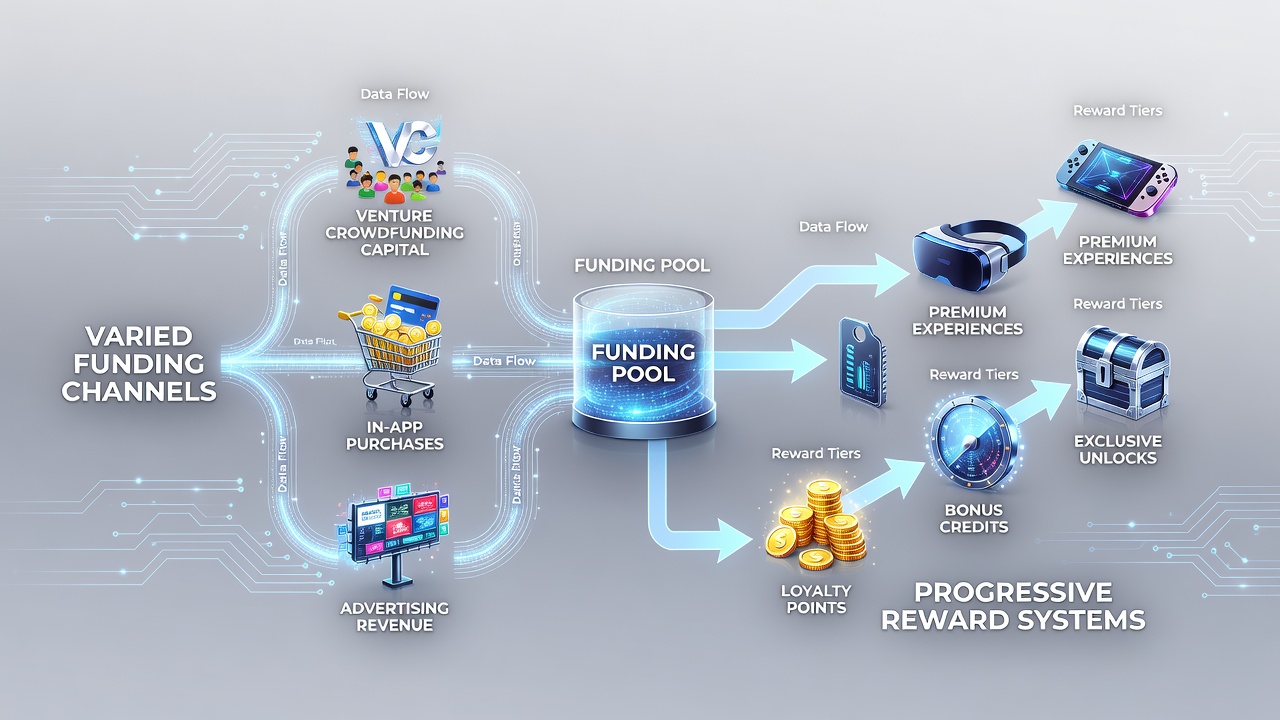
In-app purchases form the core of many platforms, supplying direct capital from users who buy virtual currency or premium features, and these transactions feed directly into reward pools that scale with total volume. Subscription models add recurring revenue through monthly or annual fees that grant baseline point multipliers, enabling consistent funding for progressive tiers that require sustained activity over weeks or months. Advertising partnerships contribute another layer as third-party brands pay for placement within games, with portions of those fees allocated to reward budgets that expand when user numbers grow. Data from industry analyses shows these combined inflows support reward systems that adjust dynamically, increasing payout rates during high-traffic periods while preserving margins through diversified sources.
Research indicates that developers often blend these channels with affiliate commissions and data licensing deals, where anonymized user insights generate additional income that operators reinvest into loyalty infrastructure. This approach reduces reliance on any one stream and allows platforms to test new reward mechanics without immediate risk to core operations. Those who've examined balance sheets across multiple providers find that platforms using at least four distinct funding types report steadier reward program growth compared to narrower models.
Mechanics Linking Revenue to Tier Advancement
Progressive reward systems operate through algorithms that convert funding inflows into point allocations, where each channel contributes according to its contribution margin and user segment. For instance, revenue from high-volume slot spins might accelerate progression in entertainment-focused tiers, whereas sports betting margins support competitive leaderboards with larger prize pools. Experts have observed that this mapping ensures rewards remain proportional to actual platform income, preventing overextension during slower quarters. When users complete challenges funded by advertising revenue, the system grants incremental status boosts that encourage further deposits, closing the loop between income and retention.
Platforms frequently employ tiered multipliers that increase with funding diversity, so users who engage multiple game types receive accelerated point earnings funded by the broader revenue mix. Case studies reveal operators who introduced cross-channel bonuses saw average user lifetime value rise by measurable percentages within the first six months. The structure also incorporates safeguards such as spending caps tied to verified funding sources, maintaining compliance while sustaining the reward engine.
Market Developments and Platform Adaptations
By August 2026, several major operators had expanded their funding portfolios to include emerging streams such as virtual goods marketplaces and esports sponsorships, further bolstering the financial base for reward progression. These additions allowed platforms to introduce time-limited tier accelerators during major sporting events, where combined revenue from wagers and sponsorships funded special point bonuses. Observers tracking adoption rates note that users responded positively to these updates, with participation metrics climbing across tested demographics. The shift also enabled smaller developers to compete by partnering with established payment processors, spreading risk while accessing shared reward infrastructure.
Academic studies on user behavior confirm that diversified funding correlates with higher retention in progressive systems, as users perceive greater value when rewards draw from multiple visible sources rather than deposit-heavy models alone. Platforms that publish transparent breakdowns of how different revenues support tiers tend to build stronger trust, leading to organic growth in active accounts. What's interesting is how these mechanics scale globally, with regional variations in preferred funding mixes influencing the exact reward formulas deployed in each market.
Regulatory and Technical Considerations
Regulators in various jurisdictions require clear separation between funding sources and reward distributions to ensure fairness, prompting operators to implement auditable tracking systems. According to reports from the American Gaming Association, such transparency measures have become standard practice among compliant providers. Technical frameworks using blockchain elements or centralized ledgers help verify that points awarded align with actual inflows, reducing disputes and supporting long-term program viability. Industry organizations like the Gambling Research Exchange Ontario have documented how these controls coexist with innovative reward designs that adapt to new funding types without regulatory friction.
Conclusion
Varied funding channels collectively enable the sophisticated reward systems that define modern portable gaming and betting platforms, distributing risk and supporting continuous tier evolution. As operators refine these integrations through 2026 and beyond, the underlying mechanics continue to prioritize measurable alignment between revenue and user advancement. This balanced approach sustains engagement across diverse player bases while meeting operational and compliance standards observed across multiple markets.