Flexible Payments Meet Tiered Rewards in Mobile Wagering Apps
David Becker · Aug 28, 2026
Flexible Payments Meet Tiered Rewards in Mobile Wagering Apps
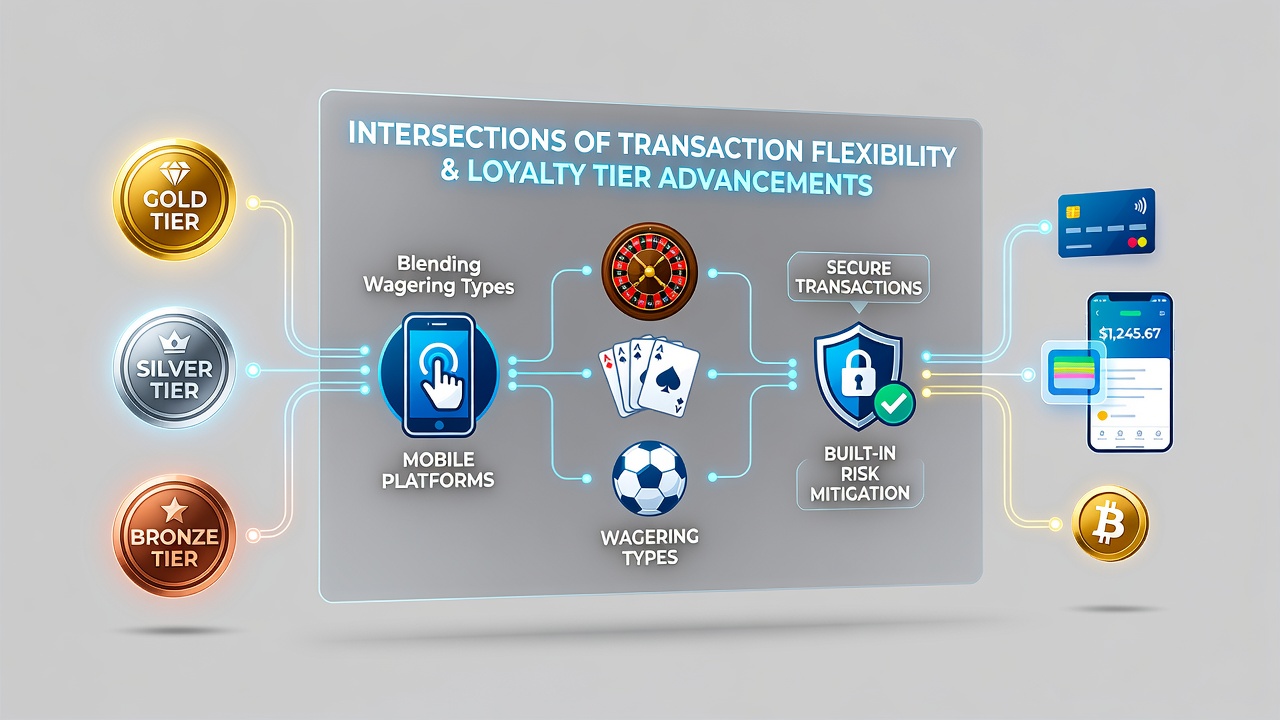
Transaction flexibility and loyalty tier advancements now intersect directly on mobile platforms that combine multiple wagering formats with automated protection tools, and data from industry reports shows operators expanding these features across regions in 2026.
Transaction Options Across Mobile Betting Types
Operators integrate instant deposits, scheduled withdrawals, and multi-currency support into single apps that host slots, sports markets, and live dealer tables, while built-in limit settings adjust automatically based on user activity patterns; research from the University of Nevada, Las Vegas indicates these combined tools reduce friction for players who switch between game categories without leaving the same session.
Payment methods range from digital wallets to bank transfers, and platforms apply the same verification steps regardless of wager type so users maintain consistent account status across all offerings, whereas earlier systems required separate checks that slowed movement between sections.
Loyalty Tier Structures and Advancement Mechanics
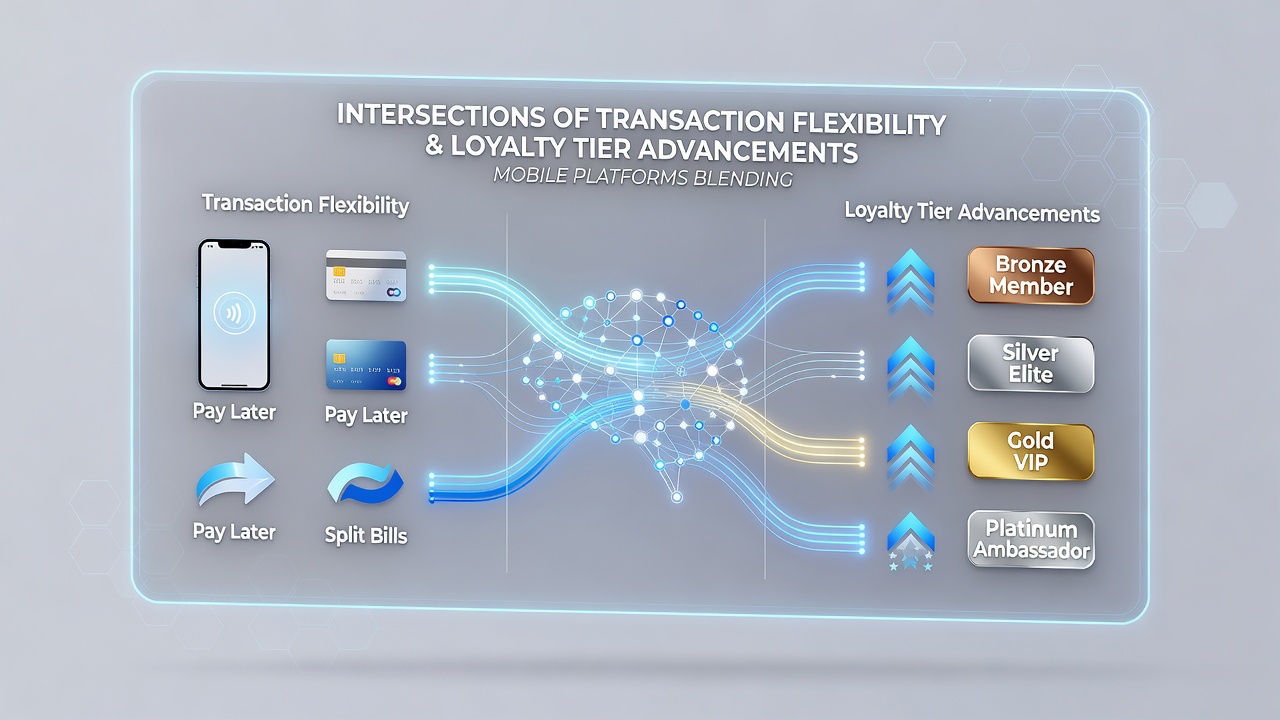
Tier systems calculate points from combined activity across slots, sportsbooks, and table games, then unlock benefits such as faster cashouts, personalized promotions, and priority access to new releases, and observers note that mobile interfaces display real-time progress meters that update after each completed round or settled bet.
Advancement thresholds often reset on a rolling basis, which encourages steady engagement rather than single large deposits, while data released by the American Gaming Association in mid-2026 shows operators adjusting point multipliers during promotional windows to balance participation across different wager categories.
Integration of Protections Within Loyalty and Payment Flows
Built-in safeguards link directly to both transaction settings and tier status so that reaching higher rewards levels triggers additional verification prompts or spending caps without manual user requests, and Canadian regulatory summaries from teh same period describe how these automated connections help maintain compliance across blended game libraries.
Users receive notifications when approaching personal limits, and the system applies the same rules whether the activity occurs in sports betting or slot play, which creates a uniform safety layer that travels with the account regardless of game choice.
Regional Implementation Patterns Observed in 2026
Platforms operating in multiple jurisdictions began rolling out unified mobile dashboards in August 2026 that merge transaction history, tier status, and protection settings into one view, allowing users to adjust deposit schedules or review point accumulation without switching menus, and similar updates appeared in both North American and European markets during that window.
Studies tracking user behavior after these updates found that players who accessed blended wagering options maintained longer session durations when protection tools activated automatically at tier milestones, whereas segmented systems from prior years showed higher drop-off rates between game types.
Future Adjustments Based on Current Data Trends
Operators continue refining point-earning formulas to reflect actual risk exposure across wager varieties, and reports from the Australian Institute of Criminology highlight how such recalibrations align loyalty incentives with responsible play metrics already embedded in payment workflows.
These ongoing changes indicate that mobile platforms will keep expanding the overlap between flexible transactions, tier progression, and protection layers rather than treating them as separate modules, and industry tracking through late 2026 suggests further convergence in the coming months.
Conclusion
The combination of adaptable payment systems, unified loyalty tiers, and embedded protections now defines mobile wagering environments that host varied betting formats, with implementation data from 2026 confirming steady adoption across different regulatory landscapes and continued technical integration expected through the remainder of the year.