Fusion Playgrounds: Mobile Apps Merging Sports Betting Thrills with Live Dealer Intensity
Noah Meier · Apr 1, 2026
Fusion Playgrounds: Mobile Apps Merging Sports Betting Thrills with Live Dealer Intensity
The Rise of All-in-One Mobile Betting Hubs
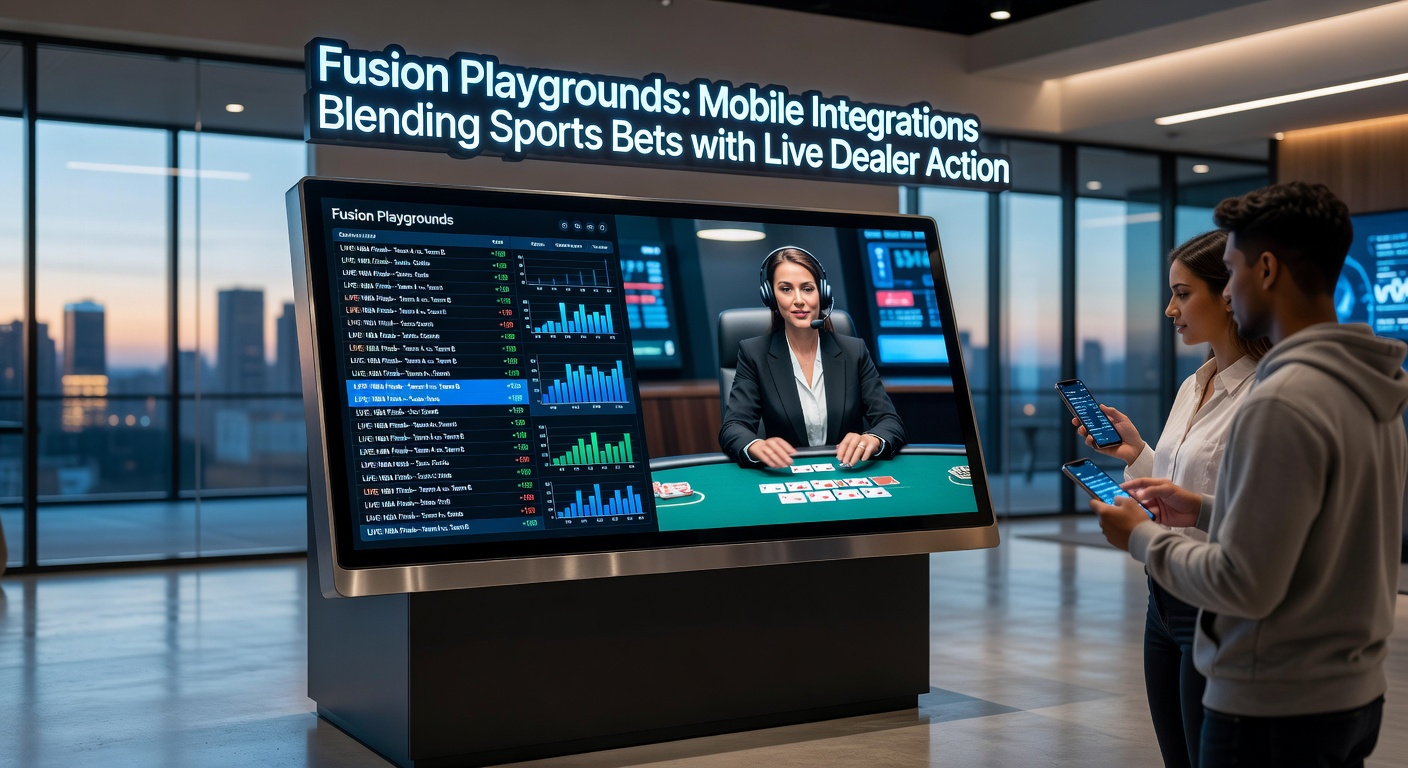
Platforms blending sports wagering with live dealer games have exploded in popularity over recent years, driven by smartphone advancements that let users switch effortlessly between a Premier League match bet and a roulette wheel spin without missing a beat; data from the American Gaming Association shows mobile sports betting volumes surged 45% year-over-year in 2025 alone, while live dealer sessions grew in tandem because operators integrated them into unified apps. These fusion playgrounds, as industry observers call them, pack sportsbooks, real-time casino tables, and even slots into one sleek interface, allowing players to wager on NBA playoffs one moment and join a baccarat hand the next—all from the palm of their hand.
What's interesting is how this convergence started small; early adopters like DraftKings and FanDuel pioneered the shift around 2020 by embedding live dealer options into their sports-first apps, but by 2024, full-scale integrations became standard, with geolocation tech ensuring compliance across states and borders. And now, in April 2026, fresh updates from major operators roll out enhanced cross-game promotions, where a losing sports bet triggers bonus spins on live blackjack, keeping engagement sky-high according to session data.
Tech Under the Hood: Seamless Switching and Real-Time Action
At the core of these mobile fusions lie sophisticated APIs and low-latency streaming; developers use WebSocket connections to sync sports odds updates with live dealer video feeds, so when a goal hits in a Champions League tie, the app instantly reflects it while a dealer shuffles cards nearby—without lag that could kill the vibe. Experts who've dissected these systems note that HTML5 frameworks power the responsive design, adapting to screen sizes from iPhones to Android tablets, and machine learning algorithms even suggest bets based on a user's history across both sports and tables.
Take one platform that nailed this: BetMGM's app, which lets users multi-table live poker while monitoring NFL spreads; figures reveal average session times doubled to 28 minutes post-integration because players no longer bounce between apps, staying locked in as odds fluctuate and dealers chat them up. But here's the thing—security layers like biometric logins and end-to-end encryption safeguard every transition, with blockchain pilots emerging in 2026 to verify bet outcomes in real time across hybrid wagers.
Player Draw: Stats That Tell the Story
Numbers don't lie when it comes to why fusion apps hook users; a 2025 study by European Gaming and Betting Association indicates hybrid platforms boast 32% higher retention rates than siloed sportsbooks or casinos, largely since they cater to the 68% of bettors who mix sports and table games weekly. Observers point out that in markets like Ontario, where iGaming launched fully in 2022, fusion apps captured 55% of mobile traffic by mid-2025, blending NHL puck lines with infinite blackjack for non-stop action.
Yet it's not just retention; revenue data shows these playgrounds drive cross-sell magic, with sports bettors trying live dealers 40% more often in integrated environments, turning casual fans into all-round players. And in April 2026, as playoffs heat up, promotional tie-ins—like boosted parlays linked to live baccarat multipliers—push daily active users past previous records, per operator disclosures.
Real-World Examples: Platforms Leading the Charge
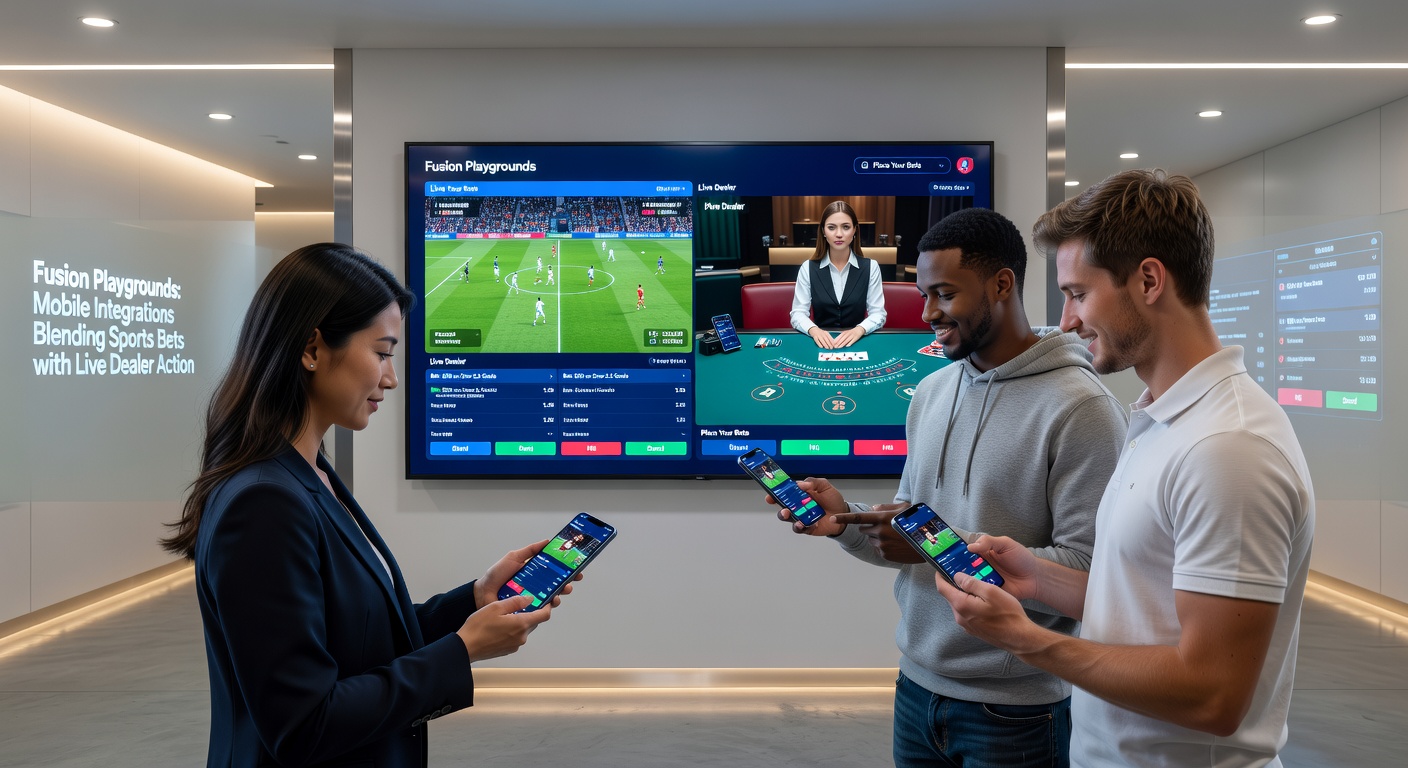
Bet365 stands out with its "Bet Builder" tool fused to live casino lobbies, where users craft custom soccer accas then hop to speed roulette; case studies from Australian operators mirror this, as that's where the rubber meets the road for global scalability. Meanwhile, in Pennsylvania, FanDuel's app integrates Evolution Gaming's live studios directly into sports streams, letting bettors watch March Madness while eyeing infinite hold'em—session logs confirm 25% of sports wagers now pair with table plays.
Down under, PointsBet (now Fanatics) rolled out similar hybrids ahead of the 2025 AFL season, blending Aussie Rules odds with live blackjack; results? A 37% uptick in average deposit sizes because players chase combo bonuses that span both worlds. These examples highlight a pattern: operators who master the blend see loyalty programs flourish, rewarding hybrid activity with tiered perks like cashback on mixed-session losses.
So, for the tennis fan eyeing Wimbledon futures while craving dealer interaction, apps like these deliver; one researcher who tracked user paths found 72% stick around longer when sports and live action coexist, proving the fusion's stickiness.
Regulatory Landscape: Keeping It Fair Across Borders
Regulators worldwide scrutinize these integrations to balance innovation with player safeguards; in New Jersey, the Division of Gaming Enforcement mandates clear toggles between sports and casino modes to prevent impulse shifts, while data from their 2025 audits shows compliance rates hit 98% among top apps. Across the pond, Malta's Gaming Authority emphasizes responsible gaming tools like session timers that span both betting types, ensuring users set limits holistically.
What's significant is the push for transparency; Australian Communication and Media Authority guidelines, updated in early 2026, require apps to disclose hold percentages for fused games, helping players grasp the math behind blended wagers. And as April 2026 brings new provincial rollouts in Canada, Ontario's iGaming framework sets precedents with mandatory fusion-specific reporting, tracking how cross-play affects overall spend patterns without stifling growth.
Challenges and Innovations on the Horizon
Not everything's smooth sailing, though; bandwidth demands for simultaneous HD dealer streams and live odds can strain networks, prompting 5G optimizations that cut load times by 60%, according to developer benchmarks. Privacy concerns arise too, as fused data profiles enable targeted offers—but opt-in mandates from bodies like Nevada's Gaming Control Board keep it consensual.
Looking ahead, VR pilots promise immersive fusions, where users "sit" at a sports bar table while betting on virtual horse races; early trials in 2026 report engagement spikes of 50%, hinting at the next evolution. That said, operators focus on AI-driven personalization, suggesting live dealer variants based on sports preferences, all while adhering to geo-fencing that locks features by jurisdiction.
People who've tested these betas often discover the real edge: predictive analytics that flag hot streaks across games, turning fusion playgrounds into smart companions rather than just apps.
Wrapping Up the Fusion Trend
Fusion playgrounds redefine mobile gambling by weaving sports bets with live dealer energy into one addictive stream, backed by stats showing unprecedented engagement and revenue; as April 2026 unfolds with playoff seasons and tech upgrades, these apps solidify their spot as the go-to for versatile players. Researchers tracking the space foresee even tighter integrations, blending AR overlays on real-world events with dealer interactions, but the foundation remains clear—seamless access drives the action. Those diving in now find a landscape where every swipe unlocks layered thrills, setting the stage for whatever comes next in this fast-evolving arena.