Interconnected Systems in Mobile Casino Applications: Loyalty Incentives, Transaction Protections, and Risk Mitigation Approaches
Uma Hansen · Jul 18, 2026
Interconnected Systems in Mobile Casino Applications: Loyalty Incentives, Transaction Protections, and Risk Mitigation Approaches
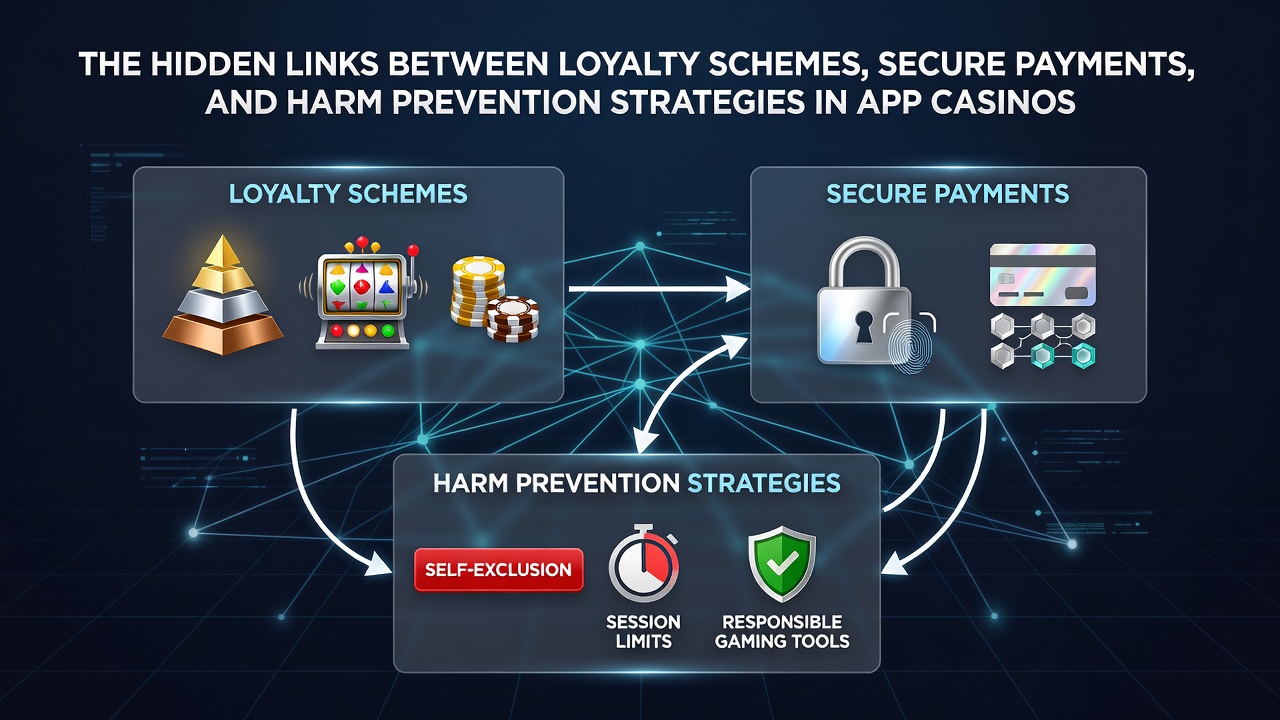
App casinos integrate multiple operational layers where loyalty schemes track user engagement patterns, secure payment systems verify transactions in real time, and harm prevention tools monitor behavioral indicators. These elements operate through shared data streams that allow operators to adjust rewards, authenticate funds, and flag potential issues simultaneously. Recent industry reports highlight how mobile platforms have expanded these connections, particularly as app-based play accounted for growing shares of overall activity through mid-2026.
Loyalty Schemes and Behavioral Tracking
Loyalty programs in app casinos collect detailed records of play frequency, session duration, and wager sizes to assign tier levels and distribute points or bonuses. Operators apply algorithms that segment users based on activity thresholds, which then trigger personalized offers such as free spins or cashback percentages. Data shows these systems also log deposit patterns and game preferences, creating profiles that extend beyond simple reward distribution. Researchers at the Australian Gambling Research Centre note that such profiling enables operators to identify shifts in engagement speed or volume that may warrant further review.
Points accumulation often ties directly to deposit amounts, so higher spending unlocks faster progression through tiers. This structure encourages continued interaction while generating datasets that feed into other platform functions. One analysis of European mobile operators revealed loyalty metrics correlating with transaction histories at rates above 85 percent, allowing seamless data handoff between reward engines and compliance modules.
Secure Payment Infrastructure
Payment systems in these apps employ encryption protocols, tokenization, and multi-factor authentication to process deposits and withdrawals. Providers integrate with banking networks and digital wallets, logging each transfer with timestamps, amounts, and source identifiers. These records create audit trails that satisfy regulatory requirements across jurisdictions while supporting internal risk assessments. Figures from payment processors indicate that app casinos processed billions in transactions during the first half of 2026, with fraud detection layers rejecting suspicious attempts before funds clear.
Many platforms now link payment verification to account-level settings that restrict certain methods or impose velocity checks. Such measures reduce chargeback rates and simultaneously supply granular data for monitoring tools. When users attempt rapid successive deposits, the system cross-references loyalty tier status and historical patterns to determine whether additional verification steps activate automatically.
Harm Prevention Mechanisms
Harm prevention features include deposit limits, session time caps, self-exclusion options, and reality checks that interrupt play at set intervals. These tools draw on the same datasets generated by loyalty tracking and payment processing to calibrate interventions. For instance, a sudden increase in deposit frequency flagged by the payment layer can trigger an automated message suggesting a cooling-off period. Studies from the National Council on Problem Gambling indicate that integrated systems achieve higher user compliance rates compared with standalone features.
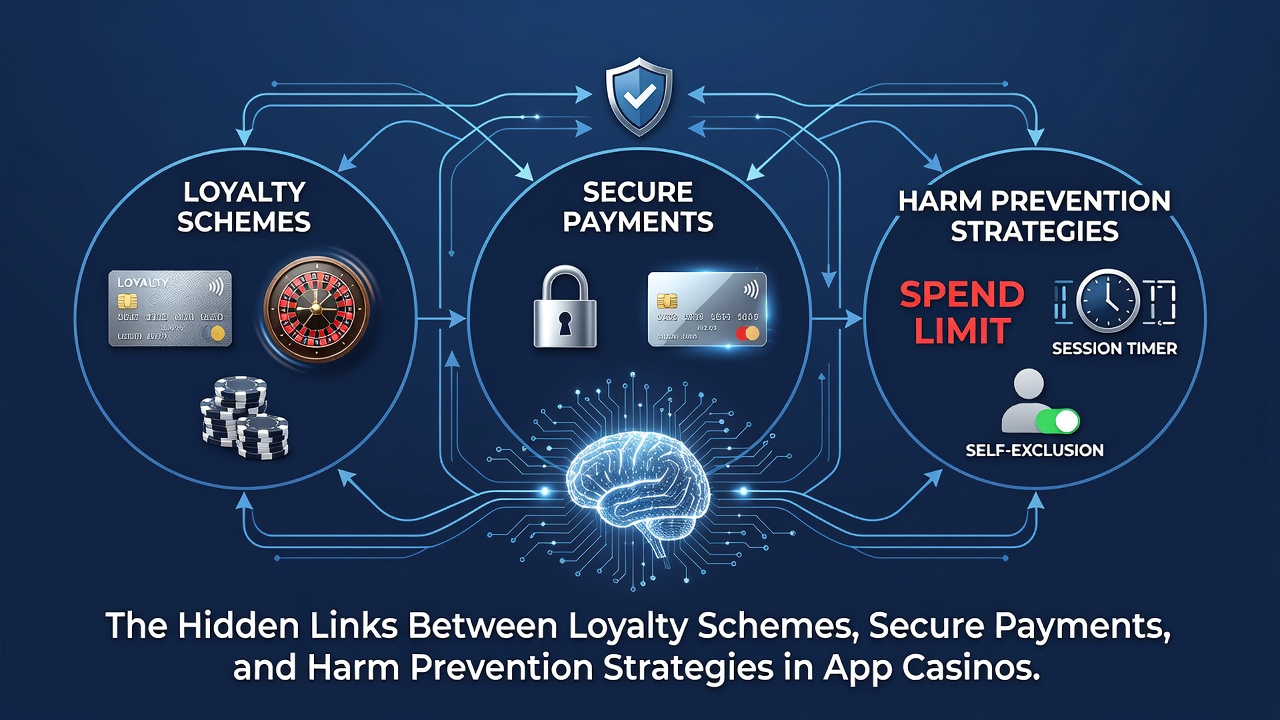
Operators in several markets updated their platforms ahead of July 2026 to strengthen these linkages, incorporating machine learning models that weigh loyalty velocity against payment anomalies. The resulting alerts reach support teams equipped with account histories rather than isolated data points. This approach allows tailored responses such as temporary reward pauses or directed referrals to external resources without disrupting the overall user experience.
Converging Data Flows and Operational Outcomes
The hidden connections emerge when loyalty points systems feed behavioral signals into payment gateways and harm tools in a continuous loop. A player advancing quickly through loyalty tiers via high-volume deposits may encounter both enhanced security checks and proactive limit suggestions. Industry documentation shows that operators using unified databases report faster identification of at-risk patterns, sometimes within the same session. This convergence reduces redundant data entry and improves consistency across functions.
Case examples from North American operators demonstrate how payment declines combined with loyalty redemption spikes prompted targeted outreach that included voluntary limit adjustments. Similar patterns appear in Australian and Asian markets where regulatory frameworks encourage data sharing among internal departments. The result is a more cohesive environment where rewards, transactions, and protections reinforce each other rather than operate in isolation.
Conclusion
App casinos continue to refine these interconnections through ongoing platform updates and cross-functional data use. Loyalty schemes supply engagement metrics, secure payments deliver transaction integrity, and harm prevention tools apply contextual interventions drawn from both. As mobile usage grows, the effectiveness of these linked systems depends on accurate data integration and consistent application across user accounts. Observers tracking developments through 2026 note that operators maintaining robust connections among these components achieve measurable improvements in both operational efficiency and compliance outcomes.