Linking Loyalty Programs to Player Safeguards Within Casino Mobile Applications
Noah Meier · Jun 27, 2026
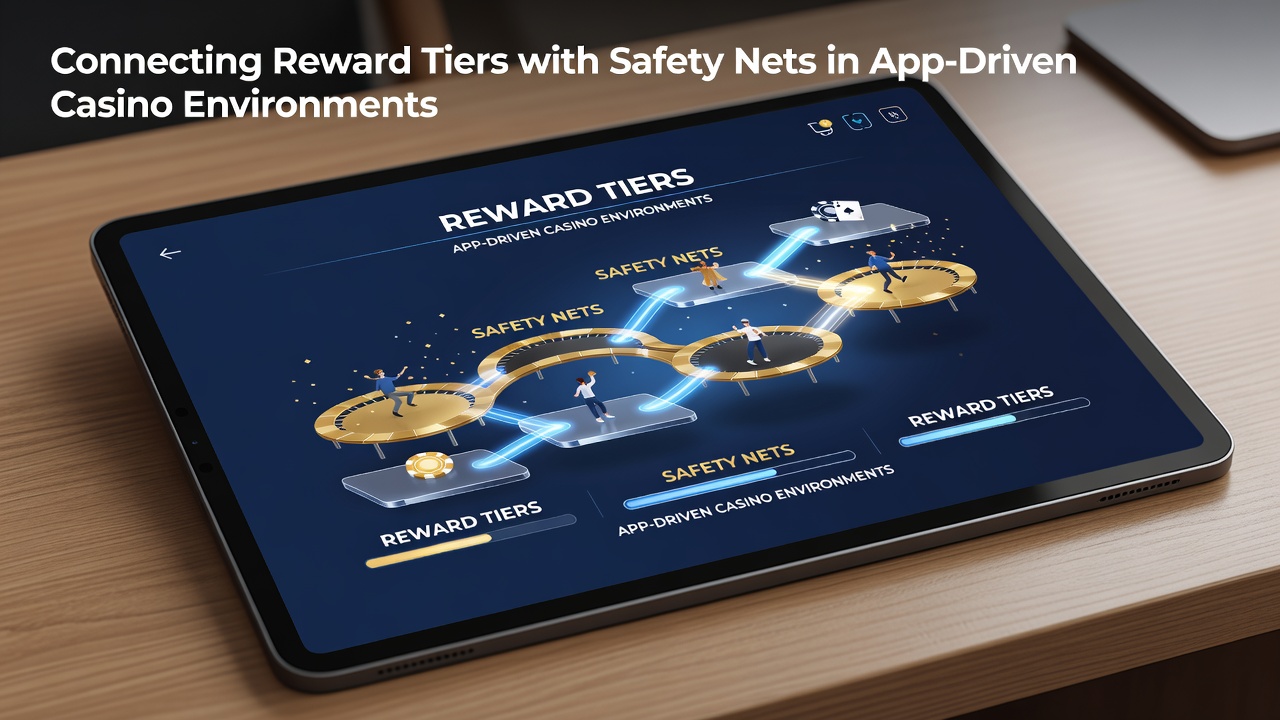
Linking Loyalty Programs to Player Safeguards Within Casino Mobile Applications
App-driven casino platforms have started embedding reward tier systems directly with safety mechanisms so that players move through loyalty levels while automatic protections activate at set thresholds, and this integration draws from regulatory frameworks established in multiple jurisdictions including those overseen by the Nevada Gaming Control Board and the Malta Gaming Authority.
Developers design these systems to track play patterns in real time then adjust both bonuses and limits accordingly so higher tiers unlock enhanced rewards while simultaneously enforcing stricter deposit caps or session reminders, and data from industry reports indicate this dual approach emerged more prominently after 2024 updates in digital gaming standards.
How Reward Tiers Operate Alongside Built-In Protections
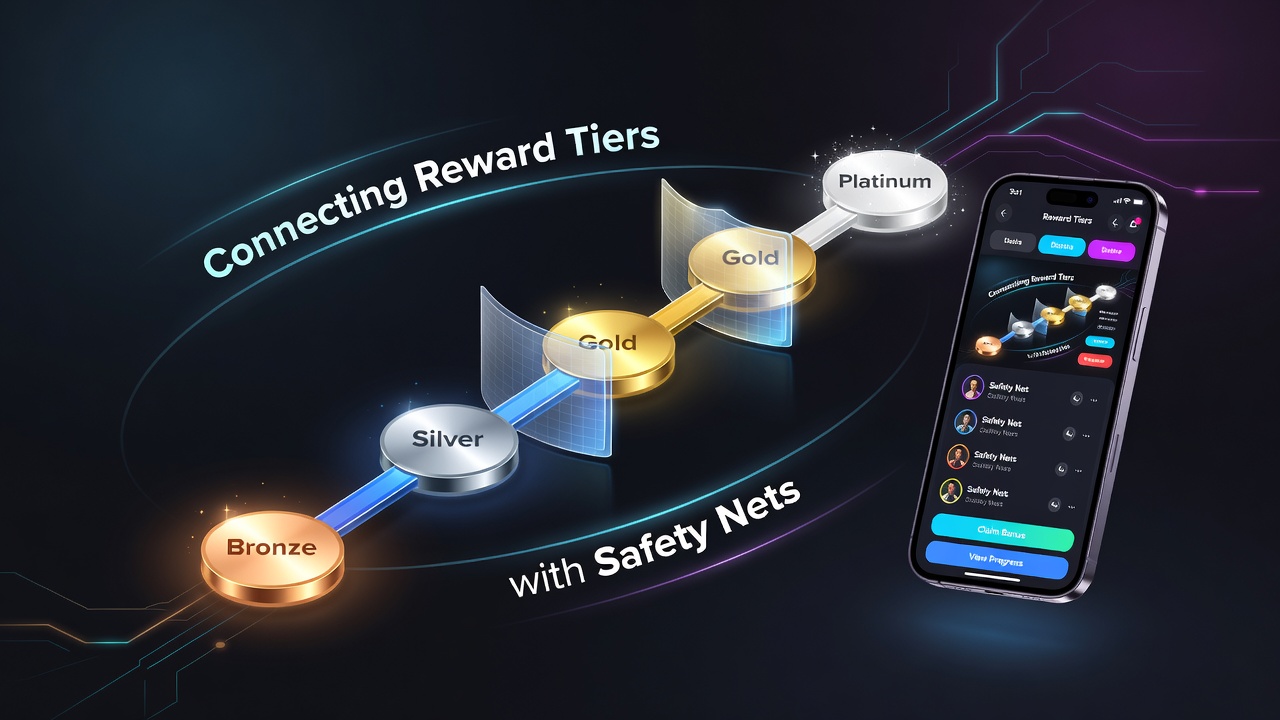
Basic entry levels typically offer standard cashback percentages along with voluntary spending alerts that users can customize through the app settings, whereas mid-tier progression requires consistent activity that triggers mandatory cool-down periods if certain velocity markers appear in the session data, and advanced VIP structures add personalized account managers who coordinate both exclusive promotions and mandatory responsible gaming reviews on a quarterly basis.
One developer case in North American markets showed that players reaching silver status received doubled reward multipliers paired with automatic loss-limit notifications sent via push alerts every four hours of continuous play, and similar patterns appear in European operators who align their programs with guidelines from the European Gaming and Betting Association.
Technical Integration in App Environments
Backend algorithms connect loyalty databases with responsible gaming modules so that when a player accepts a tier upgrade the system recalibrates all active limits without requiring separate user input, and this seamless connection reduces friction while maintaining compliance logs that regulators can audit through API exports.
Push notifications serve dual purposes by celebrating milestone achievements and prompting safety checks in the same message thread, while dashboard views display both accumulated points and remaining daily thresholds side by side, and mobile developers note that such unified interfaces improve user retention metrics according to aggregated analytics shared at industry conferences.
Regional Approaches Emerging by Mid-2026
By June 2026 several Canadian provincial regulators had begun requiring operators to demonstrate explicit linkages between reward structures and harm-reduction tools during licence renewals, and this requirement prompted app updates that automatically scale bonus eligibility against verified self-exclusion records maintained in provincial databases.
Australian state frameworks meanwhile emphasize education modules that unlock alongside tier benefits so players must complete short interactive sessions on probability and limit setting before accessing higher reward brackets, and research summaries from the University of Sydney's gambling studies unit highlight measurable drops in high-velocity sessions after these features rolled out across major platforms.
Player Journey Examples Across Platforms
Consider a user who starts at entry level and deposits regularly over three months then the system promotes them to gold status while simultaneously capping weekly net losses at a percentage of prior average activity, and this automatic scaling occurs without separate approval steps because the tier advancement code references the safety parameter table in real time.
Another scenario involves a player who opts into tournament rewards yet receives an in-app prompt to review time limits once cumulative hours exceed a pre-set threshold tied to their current loyalty bracket, and operators report that such prompts convert into voluntary breaks at rates higher than standalone safety tools according to internal performance dashboards shared with trade associations.
Data Patterns and Compliance Tracking
Analytics platforms record correlations between tier movement and safety feature activation so operators can refine algorithms that balance engagement incentives against risk indicators, and external audits conducted by firms specializing in gaming compliance verify that these connections function without creating loopholes that might bypass established player protections.
Figures released through the National Council on Problem Gambling show increased adoption of tier-linked tools among mobile-first operators, and this trend aligns with broader shifts toward proactive rather than reactive responsible gaming measures across digital environments.
Conclusion
Integration of reward tiers with safety nets continues to evolve through coordinated updates in app architecture and regulatory expectations across multiple regions, and operators maintain these connections through ongoing monitoring that adjusts parameters based on aggregated player data while preserving individual account controls. The approach supports both commercial objectives and compliance requirements without separating the two functions into isolated modules.