Mechanics Behind Integrated Reward Programs in Mobile Casino and Betting Apps
David Becker · Nov 22, 2026
Mechanics Behind Integrated Reward Programs in Mobile Casino and Betting Apps
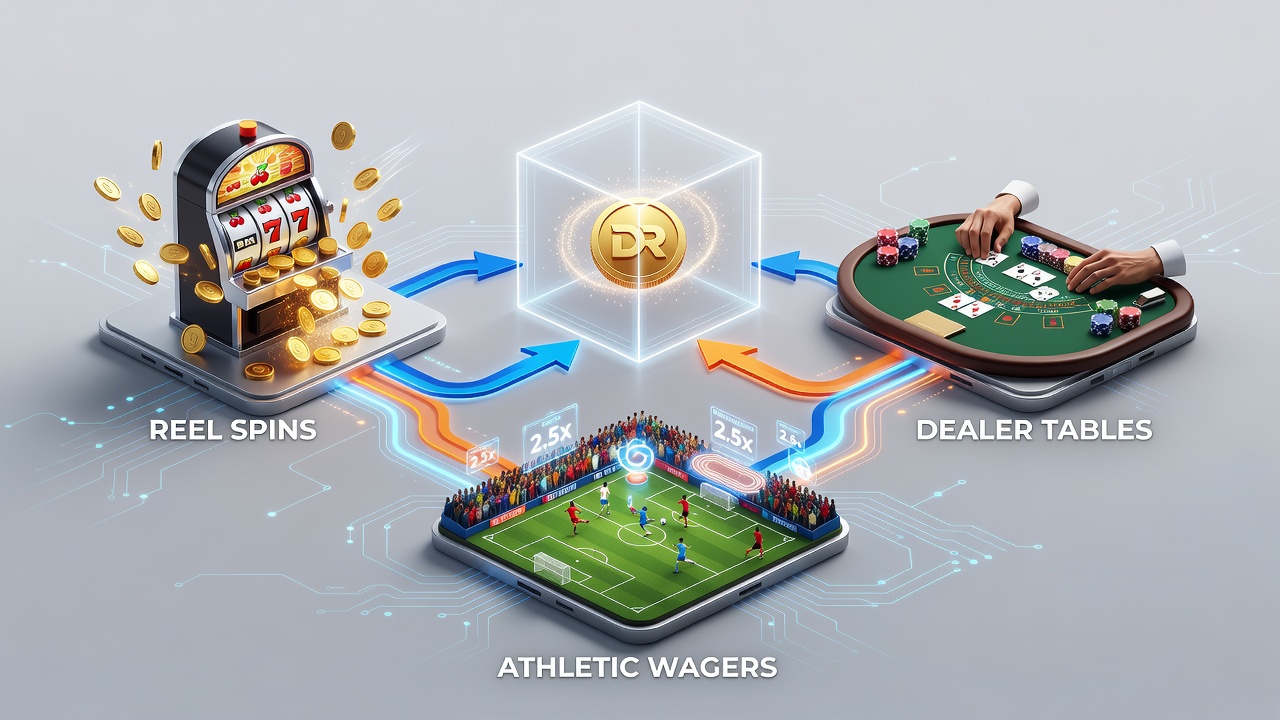
Digital reward systems on portable platforms now connect reel spins, dealer tables, and athletic wagers through unified tracking mechanisms that convert activity into shared loyalty points and tier benefits, according to industry reports from multiple regulatory regions. Developers integrate these systems via centralized databases that log every spin outcome, table decision, and wager result in real time, allowing points earned on one feature to apply across others without separate accounts or manual transfers.
Core Technical Architecture
Portable apps rely on API connections that pull data from slot engines, live dealer streams, and sportsbook platforms into a single player profile managed by backend servers, while cloud-based ledgers update balances instantly across devices. This setup uses timestamped event logs to prevent duplication, ensuring that a sequence of reel matches on a mobile slot contributes the same point multiplier as a completed sports parlay or a blackjack hand settled at a virtual table. Researchers at institutions such as the University of Nevada, Las Vegas have documented how these architectures reduce fragmentation, with one analysis noting that 78 percent of major operators now employ at least partial cross-vertical tracking.
Encryption protocols secure the data flows between game modules and the rewards engine, and operators often layer in geolocation checks to maintain compliance when users switch between regions. Those who have examined the code structure observe that modular design allows quick addition of new game types without rebuilding the entire points system, which explains the rapid rollout of hybrid features seen in recent app updates.
Point Conversion and Tier Progression
Conversion rates typically follow formulas where base points scale with wager size and game volatility, so a high-volatility reel spin might award fewer points per unit bet than a lower-volatility table game round, yet both feed into the same VIP ladder that unlocks free spins, cashback percentages, and enhanced odds on athletic wagers. Observers note that many platforms apply a common multiplier during promotional windows, such as double points on live dealer sessions that carry over to upcoming sports events within the same app session.
Progress bars visible on the main dashboard reflect cumulative activity, and automatic tier reviews occur at set intervals, often monthly, based on aggregated data rather than isolated game performance. Data from the American Gaming Association indicates that operators using these unified tiers report higher retention metrics compared with siloed programs, although exact figures vary by market.

Player Journey Examples Across Verticals
Consider a user who starts with reel spins during a commute, accumulates enough points to reach a mid-tier status, then applies the resulting cashback to a live dealer session later that evening, and finally places an athletic wager using the boosted odds available only to that tier. The sequence demonstrates how the linked mechanics create continuous engagement loops rather than isolated sessions, and similar patterns appear in usage data collected by operators in markets such as Ontario and several Australian states.
Promotional campaigns frequently tie milestones across categories, for instance requiring a minimum number of table game decisions plus sports wagers to unlock a reel spin bonus round. These campaigns rely on the same backend rules engine that governs everyday point accrual, which keeps implementation consistent and reduces the chance of conflicting rewards.
Regulatory Context and Upcoming Milestones
Authorities in various jurisdictions continue to review how these integrated systems handle responsible gambling tools, such as unified loss limits that apply across all verticals rather than per game type. In November 2026, several international gaming expos are scheduled to feature sessions on cross-platform compliance standards, drawing input from Canadian provincial regulators and European trade associations. Such discussions often reference technical papers that outline audit trails capable of tracing points back to their originating wager, a requirement that helps verify fair distribution of rewards.
Operators adjust their point formulas periodically to align with updated guidelines, yet the core linkage between reel spins, dealer tables, and athletic wagers remains intact because the underlying data architecture supports modular rule changes without full system overhauls.
Conclusion
Unified reward mechanics on portable platforms function through interconnected data pipelines, standardized conversion rules, and tier structures that treat activity from slots, live dealer games, and sports betting as interchangeable inputs. Reports from organizations including the Responsible Gambling Council of Canada highlight ongoing refinements to these systems, particularly around transparency and player control features. The architecture continues to evolve as new game formats enter the market, yet the fundamental principle of shared progression across verticals stays consistent.