Mobile Gaming Transaction Dynamics: Safeguarding Users Through Strategic Reward Layers
Uma Hansen · Jun 6, 2026
Mobile Gaming Transaction Dynamics: Safeguarding Users Through Strategic Reward Layers
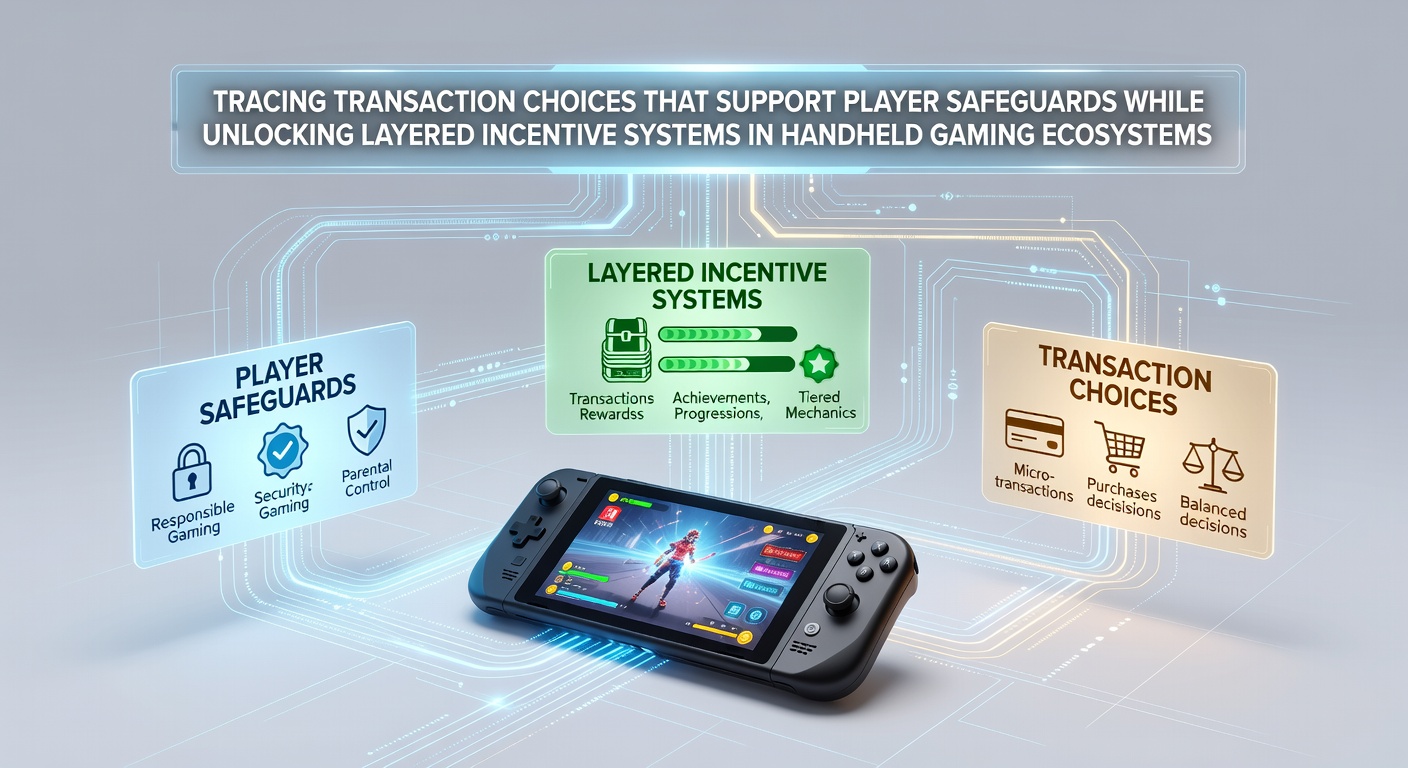
Transaction choices in handheld gaming ecosystems shape how players interact with in-app purchases while platforms maintain protective measures that limit overspending and promote responsible engagement. These systems track spending patterns across mobile devices, integrate verification protocols, and tie financial activity directly to incentive structures that reward consistent yet controlled participation. Data from industry reports indicates mobile gaming generated over 90 billion dollars in global revenue during 2025, with transaction volumes rising steadily through app stores and direct payment gateways.
Core Elements of Transaction Pathways
Handheld gaming platforms rely on layered payment options that include credit cards, digital wallets, and carrier billing, each carrying built-in checkpoints such as spending caps and purchase confirmations. Researchers at major universities have documented how these choices reduce friction for users yet insert mandatory pauses before large transactions complete. Observers note that platforms often segment transactions by amount and frequency, triggering additional authentication steps when patterns suggest rapid or repeated activity. Such segmentation connects directly to player account histories, allowing systems to adjust limits based on verified age groups and prior behavior records.
Player Safeguards Embedded in Financial Flows
Safeguards appear through automated tools that monitor cumulative spend over defined periods, sending alerts when thresholds approach preset boundaries. Studies conducted by academic teams reveal these mechanisms draw from behavioral data collected across thousands of sessions, identifying risk indicators like late-night purchases or sudden spikes in activity. Platforms apply age-based restrictions that block certain payment methods for younger users, while cross-referencing with device-level parental controls enforced through operating systems. Evidence from multiple regions shows these features align with broader regulatory expectations, creating consistent standards that operate across different app marketplaces without requiring constant manual oversight.
Layered Incentive Structures and Their Activation
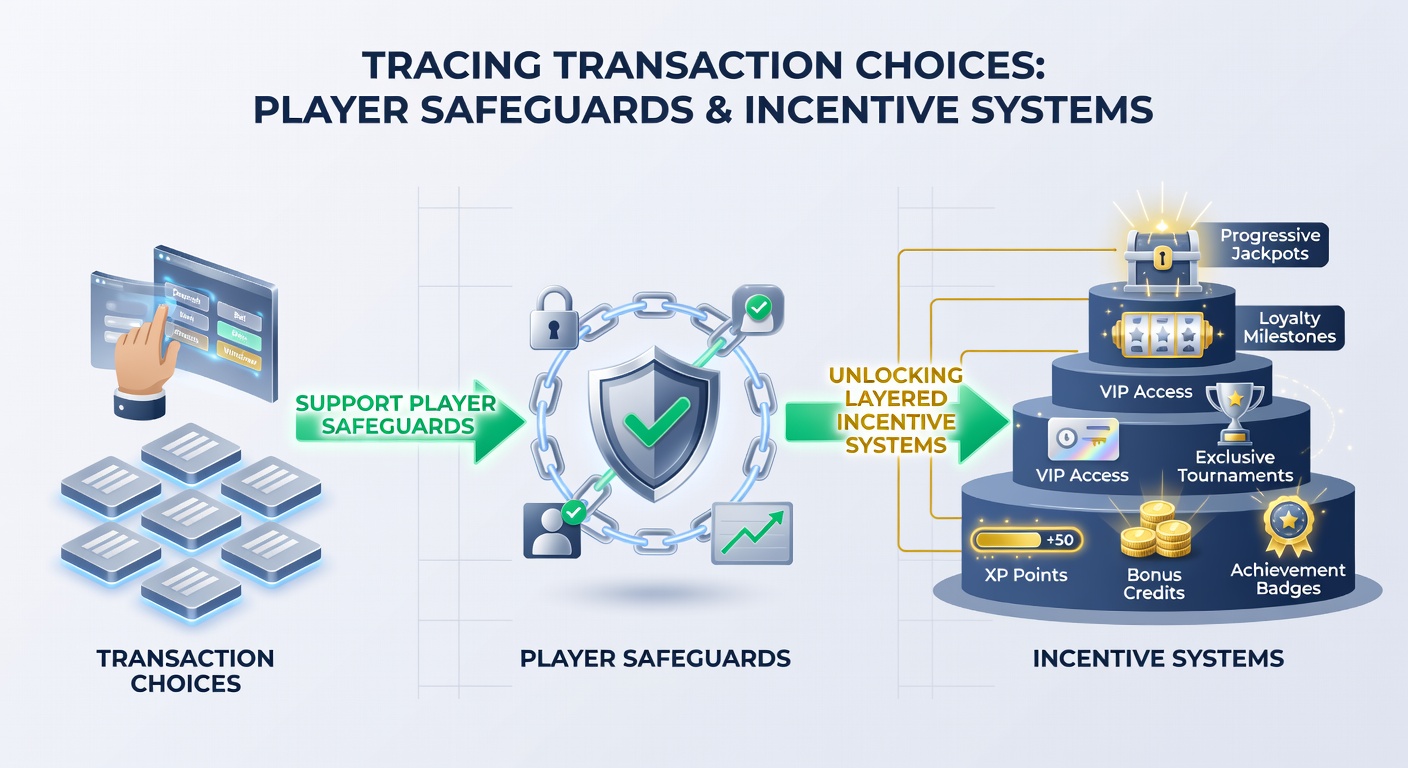
Incentive systems unfold across multiple tiers, starting with immediate daily rewards for logins and advancing to cumulative loyalty points that unlock cosmetic items, extra lives, or exclusive content. These layers activate only after transactions meet specific criteria, such as completing a minimum number of verified purchases within a calendar month. Platforms design progression tracks that reward both spending volume and playtime balance, encouraging sustained engagement rather than isolated large outlays. One analysis of popular titles demonstrated that players who interact with these layered systems maintain longer session durations when safeguards prevent rapid escalation of costs.
Integration Points Between Protections and Rewards
Effective designs merge safeguards directly into incentive pathways so that reaching reward milestones requires adherence to spending guidelines rather than bypassing them. Transaction logs feed into algorithms that grant bonus multipliers only when accounts stay within safe parameters, creating natural incentives for measured behavior. Industry organizations such as the Entertainment Software Association have published findings showing this integration improves retention rates while lowering instances of disputed charges. Platforms in regions including the European Union and Australia apply similar frameworks, adapting them to local data protection rules that govern how financial information is stored and shared.
Emerging Patterns Observed Through Mid-2026
By June 2026, several major platforms plan to roll out enhanced analytics that link transaction velocity with real-time reward adjustments, allowing incentives to scale dynamically based on individual risk profiles. Reports from regulatory bodies in Canada and the United States highlight ongoing trials of unified dashboards where players view both spending summaries and accrued benefits in a single interface. These updates build on existing infrastructure, incorporating machine learning models trained on anonymized datasets from prior years to predict and gently redirect potentially harmful patterns before they intensify. Observers tracking these developments point to improved transparency features that let users export their full transaction and reward histories for personal review.
Case Illustrations from Current Ecosystems
Take one popular puzzle game franchise that introduced a system where weekly spending summaries automatically adjust available bonus packs, granting larger rewards only to accounts showing steady rather than erratic purchase behavior. Another title in the action genre ties VIP status progression to verified play sessions completed without exceeding daily limits, resulting in higher engagement metrics according to internal platform statistics. These examples illustrate how transaction choices serve dual purposes, channeling financial activity into structured reward loops while embedded controls maintain boundaries that protect user accounts from unintended escalation.
Conclusion
Transaction pathways in handheld gaming continue evolving through deliberate connections between protective checkpoints and progressive reward layers, producing ecosystems where financial decisions support both platform sustainability and user well-being. Data collected across diverse markets demonstrates measurable outcomes when these elements operate in tandem, with platforms refining algorithms to maintain equilibrium as participation volumes grow. Future refinements scheduled around mid-2026 will likely deepen these linkages, expanding the range of tools available while preserving the core balance that defines responsible transaction design in mobile environments.