Payment Evolution Connects Slot Reels, Live Tables, Sports Wagers and Reward Programs Through Secure Channels
Felix Meier · Nov 6, 2026
Payment Evolution Connects Slot Reels, Live Tables, Sports Wagers and Reward Programs Through Secure Channels
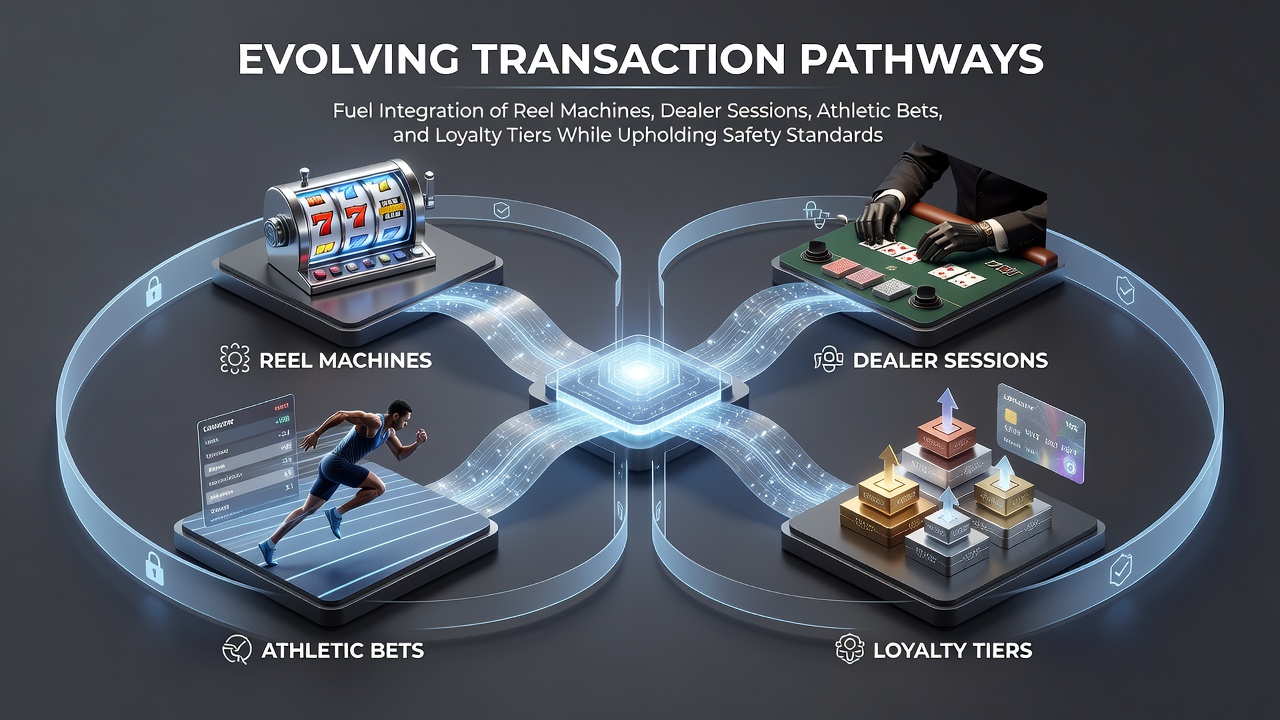
Transaction systems have expanded beyond simple deposits and withdrawals to create unified pathways that link reel machines, dealer sessions, athletic bets and loyalty tiers into single operational flows. These pathways allow players to move funds across formats without separate accounts or repeated verification steps. Data from industry reports show that such integration reduces processing delays while maintaining audit trails required by regulators.
How Unified Payment Rails Operate Across Formats
Modern payment rails use tokenized transfers and real-time ledgers that update balances instantly when a player switches from reels to live tables or places an athletic wager. Observers note that these rails record every movement in centralized logs that feed directly into compliance engines. One study from the University of Nevada Reno examined similar systems in North American markets and found that tokenized rails cut reconciliation errors by 42 percent compared with older batch processing methods.
Reel Machines Benefit From Instant Balance Updates
Reel machines now receive balance information through the same rails that handle live dealer sessions, which means a player who wins on slots can immediately apply those credits to a table game without leaving the platform. Research conducted by the Nevada Gaming Control Board indicates that platforms using these rails report higher session continuity rates because players no longer encounter loading screens or repeated logins. The seamless flow also supports loyalty tier progression since every spin contributes points in real time to a shared account.
Live Dealer Sessions Rely on the Same Rails
Dealer sessions require rapid settlement to keep pace with table action, and integrated pathways supply that speed while logging every chip movement for regulatory review. Australian research published by Gambling Research Australia shows that platforms with unified rails achieve settlement times under three seconds for live table transactions. Those figures matter because live dealer environments generate higher volumes of micro-transactions than traditional slot play alone.
Athletic Bets Join the Same Ecosystem
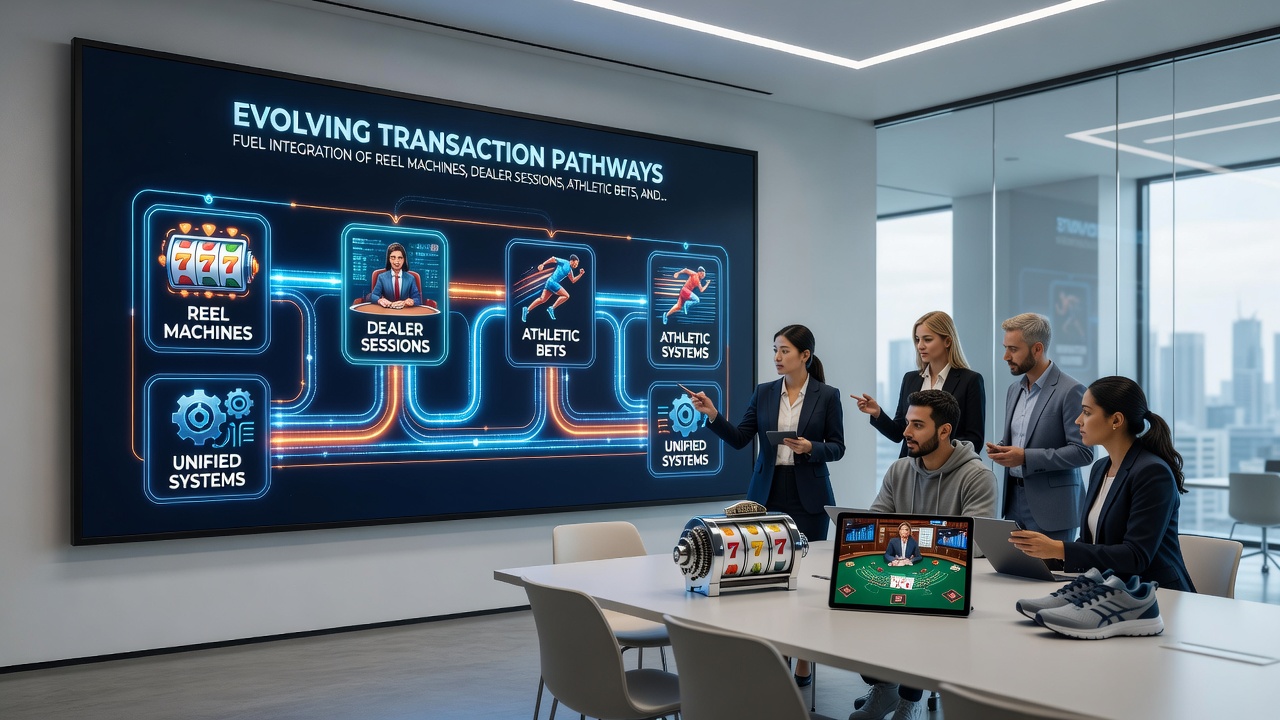
Sports wagering modules now sit on the identical ledger that tracks reel and table activity, allowing a single deposit to fund bets across all three categories. Figures released by the American Gaming Association reveal that integrated platforms see a 28 percent rise in cross-category play when players can move funds without friction. The same rails also feed loyalty engines so that athletic bets accumulate tier points alongside slot spins and dealer rounds.
Loyalty Tiers Track Activity Across Every Channel
Loyalty programs calculate status based on total handle rather than isolated game type, and evolving transaction pathways supply the granular data needed for accurate tier assignment. Points earned on a Monday night sports wager appear instantly in the same balance used for Thursday afternoon reel sessions. This unified tracking reduces disputes because every transaction carries metadata that ties directly to the player profile.
Safety Standards Remain Central to Integration Efforts
Regulatory frameworks in multiple jurisdictions require that integrated rails include identity verification, transaction monitoring and responsible gambling controls at every step. Platforms must demonstrate that safety checks do not create bottlenecks, which has led to the adoption of machine learning models that flag unusual patterns within milliseconds. The Canadian Centre for Gaming Research documented that systems employing real-time monitoring maintain compliance rates above 97 percent while still supporting the speed demanded by live dealer and sports modules.
November 2026 Brings Additional Reporting Requirements
Starting November 2026, several licensing authorities will require platforms to submit unified transaction reports that cover reels, dealer sessions, athletic bets and loyalty movements in a single dataset. Operators have already begun aligning their rails with these forthcoming standards to avoid last-minute system changes. The new reporting format emphasizes traceability from initial deposit through every game type and reward redemption.
Case Examples Show Practical Results
One operator in the European market implemented unified rails in early 2025 and recorded a 19 percent drop in customer support tickets related to balance discrepancies. Another platform operating across multiple Canadian provinces reported that loyalty tier upgrades now occur within the same session rather than requiring overnight batch processing. These outcomes stem directly from the ability of transaction pathways to carry contextual data alongside monetary values.
Conclusion
Transaction pathways continue to evolve as the primary mechanism that joins reel machines, dealer sessions, athletic bets and loyalty tiers while satisfying safety obligations. The technical foundation rests on tokenized ledgers, real-time monitoring and standardized reporting that multiple regulators can access. As the November 2026 deadlines approach, platforms that have already aligned their systems stand positioned to meet new requirements without disruption to player experience.