Payment Options Supporting Responsible Play in Mobile Slots and Live Dealer Sessions
David Becker · Aug 10, 2026
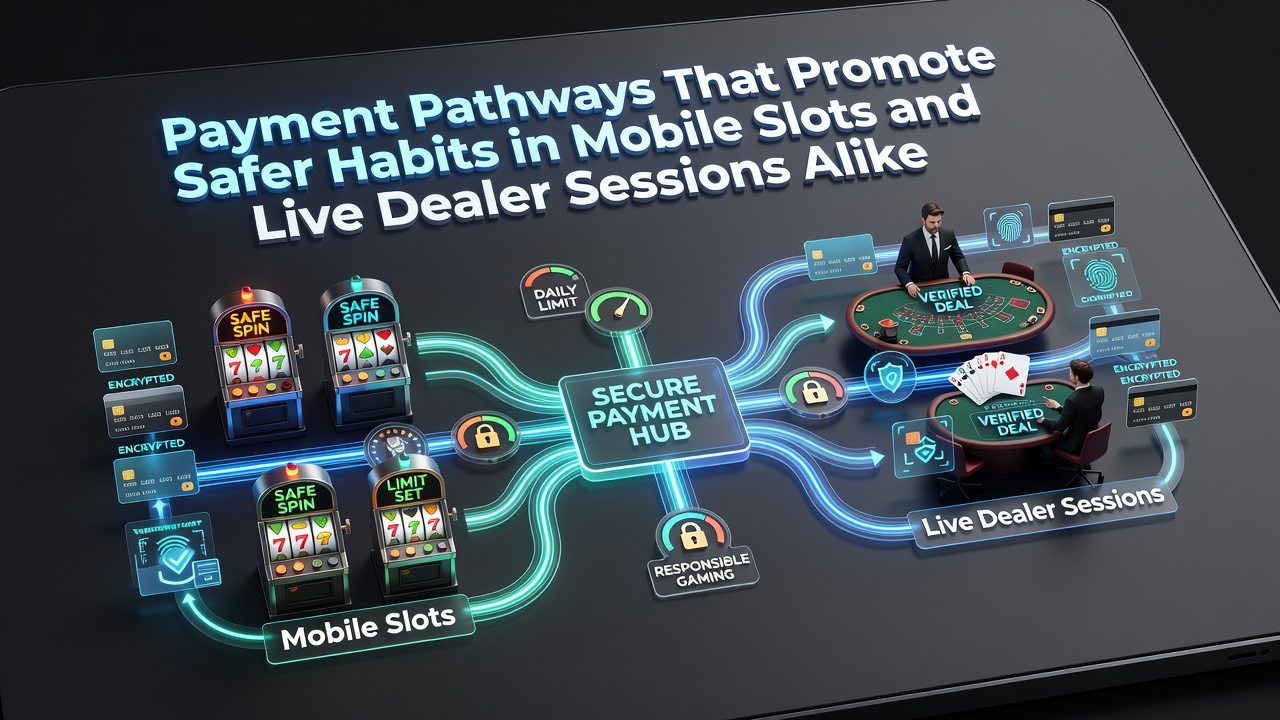
Payment Options Supporting Responsible Play in Mobile Slots and Live Dealer Sessions
Payment systems in mobile gambling environments have evolved to include built-in controls that align with player spending management, and these tools appear across both slot games and live dealer tables because operators integrate the same backend processors for consistency. Prepaid cards, certain e-wallets, and bank-linked instant transfers now carry options for users to set daily or weekly caps before any funds move, which means transactions halt automatically once thresholds activate. Data from the Nevada Gaming Control Board shows that platforms using capped prepaid instruments recorded lower average session lengths in remote play categories during the first half of 2026.
Mobile Slots and Controlled Funding Routes
Mobile slot interfaces connect directly to payment gateways that support instant balance checks, and this setup lets players monitor remaining limits without leaving the game screen. Prepaid vouchers purchased at retail outlets restrict top-ups to their face value, so repeated deposits require another physical purchase and create natural pauses in play. E-wallets with linked spending trackers send push notifications when users near preset amounts, and these alerts operate the same way whether someone spins classic reels or chases bonus rounds. Research from the Victorian Commission for Gambling and Liquor Regulation indicates that accounts using notification-enabled wallets showed a measurable drop in deposit frequency over six-month periods compared with unrestricted methods.
Live Dealer Tables and Verification Steps
Live dealer sessions often require additional identity checks before larger transfers process, and the resulting delay gives players time to reconsider during high-stakes moments. Some bank transfer services now embed a 24-hour cooling period for first-time high-value deposits, which applies equally to blackjack tables and roulette wheels streamed from studios. Cryptocurrency options with exchange rate locks add another layer because conversion steps introduce extra confirmation screens that interrupt impulse decisions. Observers note that these friction points remain consistent across device types, so the same safeguards function whether participants join via tablet or phone during evening peak hours.
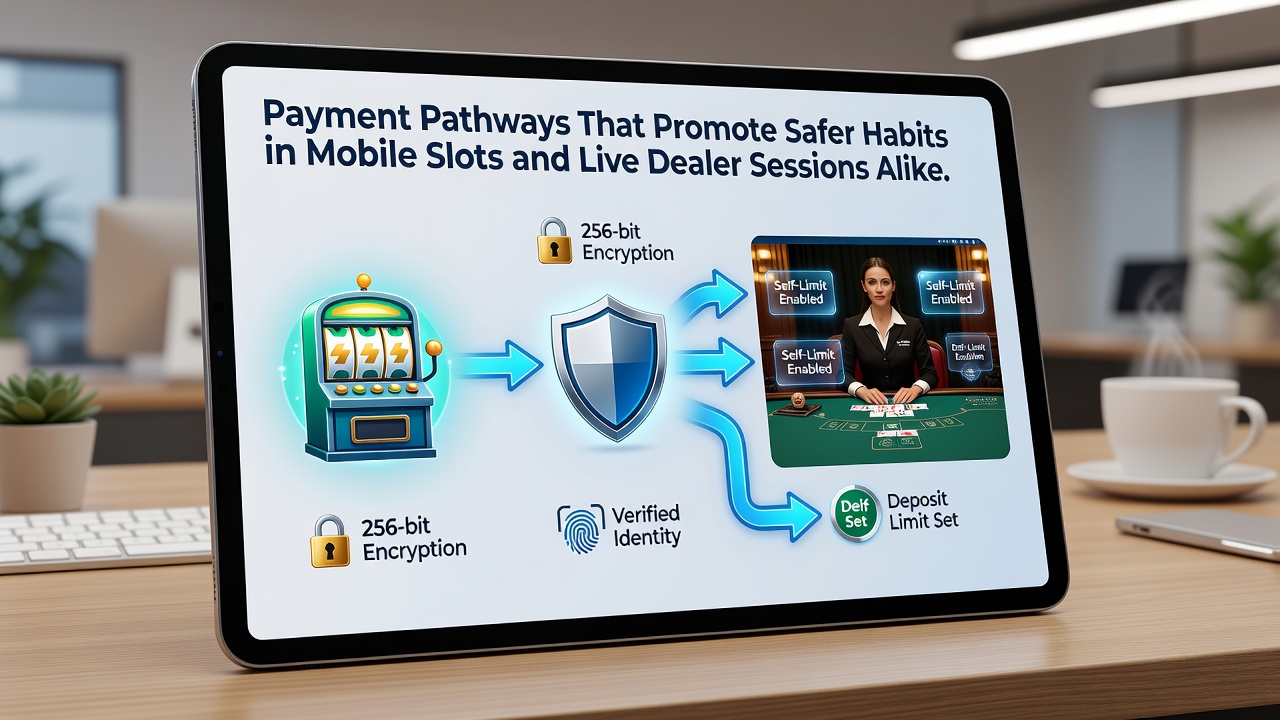
Shared Mechanisms Across Game Types
Both mobile slots and live dealer environments rely on the same account-level tools for reality checks and self-exclusion tied to payment profiles, and this unified approach means a single limit change affects every game category within an operator's app. Transaction histories display in unified ledgers that highlight patterns over weeks or months, allowing users to review total outlays without switching between separate slot and table sections. Industry reports compiled by the American Gaming Association reveal that operators offering combined ledgers across game verticals saw higher adoption of voluntary limit tools during the spring and summer months of 2026. As regulatory updates scheduled for August 2026 approach, several platforms have already expanded these unified dashboards to prepare for standardized reporting requirements.
Geographic Variations in Payment Controls
European operators frequently pair direct bank connections with mandatory spending summaries sent monthly, whereas North American apps emphasize prepaid and voucher systems that avoid recurring card data storage. Australian providers have tested integrated wallet solutions that sync with state-run exclusion registers, and these tests produced consistent reductions in repeat deposit attempts according to local commission summaries. The mechanisms differ in presentation yet produce similar interruptions in continuous funding, which matters because uninterrupted access correlates with extended play sessions in multiple market studies. Users who activate the available controls report steadier balances across both quick spin formats and extended live table rounds.
Conclusion
Payment pathways that embed limits, notifications, and verification delays continue to shape how players interact with mobile slots and live dealer content, and the same core features operate across regions and game formats because processors prioritize unified compliance layers. Data gathered through 2026 demonstrates that these tools remain available for voluntary use, and operators maintain them as standard components rather than optional add-ons. The result is a landscape where funding steps themselves contribute to session management without requiring separate player actions beyond initial setup.