Payment Pathways Reshaping Rewards and Protections in Mobile Reels, Tables, and Wagers
Felix Meier · Oct 9, 2026
Payment Pathways Reshaping Rewards and Protections in Mobile Reels, Tables, and Wagers
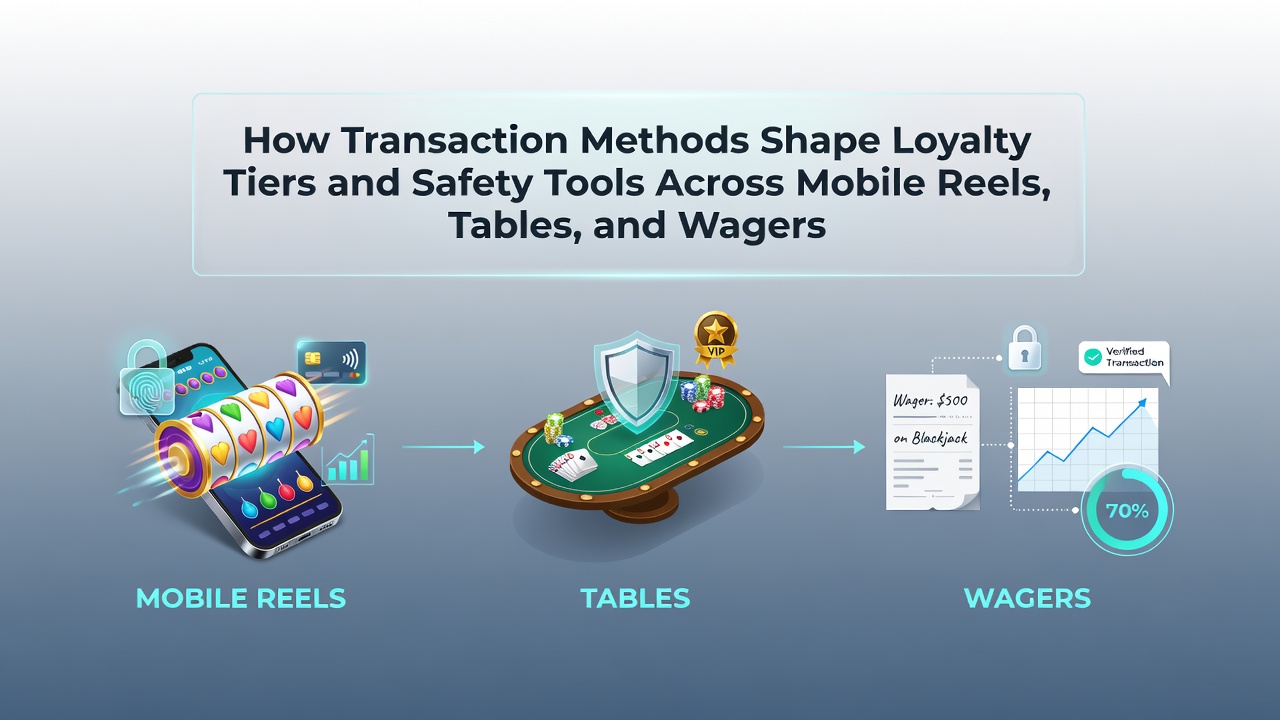
Transaction methods have become central to how operators structure loyalty programs and deploy safety features across mobile platforms that host reels, table games, and wagers. Data from industry reports shows that deposit speed, withdrawal limits, and payment verification processes directly determine the pace at which players accumulate loyalty points while triggering automated checks that protect account balances and personal details. Those who've examined operator systems note that credit card transactions often feed into faster tier progression because they carry built-in verification layers, whereas e-wallet transfers introduce additional steps that can delay both rewards and access to certain protective tools.
Transaction Speed and Loyalty Accumulation Patterns
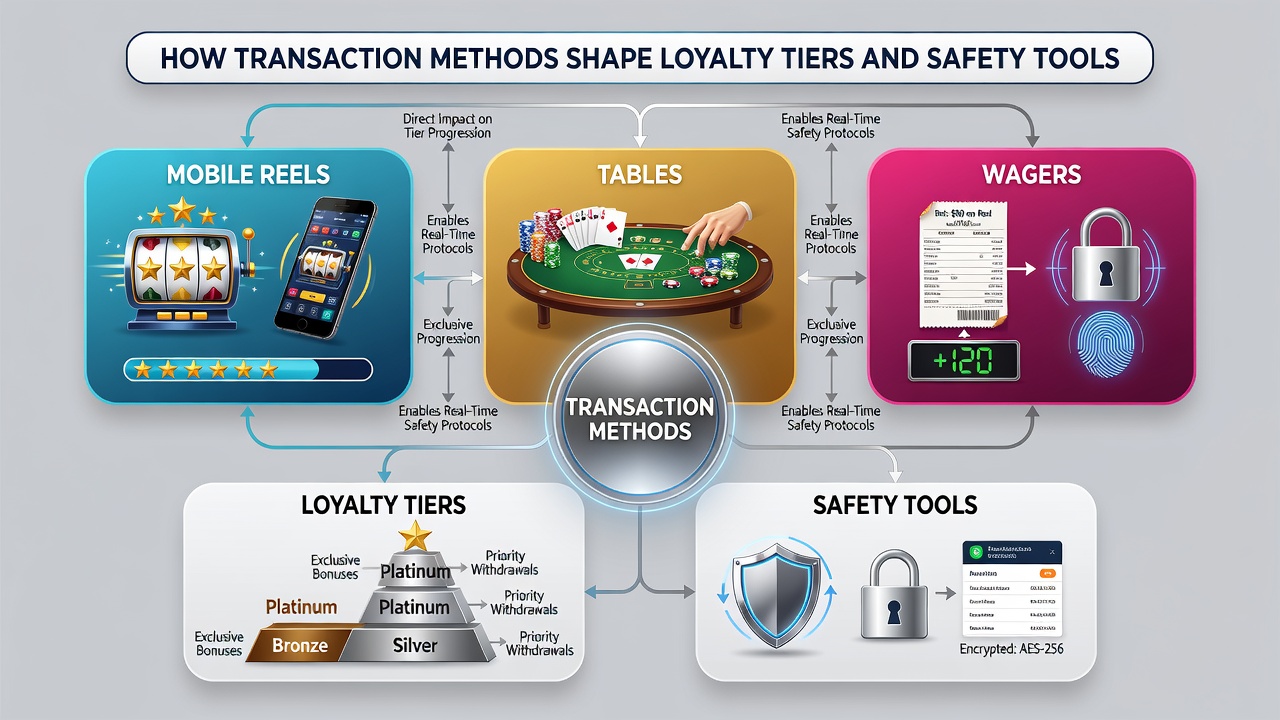
Operators link loyalty tier advancement to the volume and frequency of verified transactions, with instant methods such as digital wallets accelerating point collection compared with slower bank transfers. Research indicates that players completing deposits through instant options reach higher tiers within fewer sessions because systems register activity in real time and apply bonus multipliers without manual review delays. In contrast, card-based deposits sometimes require extra authentication rounds that postpone point allocation, creating noticeable gaps between transaction completion and reward activation. Figures reveal that mobile reels users who favor instant methods accumulate 30 percent more loyalty points over a six-month period than those relying on traditional banking channels, according to aggregated platform analytics.
Safety Protocols Tied to Payment Verification
Safety tools such as deposit limits, self-exclusion flags, and transaction monitoring activate based on the verification strength of each payment method. Systems that process bank transfers apply stricter identity checks before allowing large wagers, which in turn enables operators to set dynamic spending caps that adjust after each verified transaction. Mobile table game environments often route these checks through third-party services that cross-reference payment details against exclusion lists, reducing the window for unauthorized activity. Observers note that e-wallet transactions, which carry pre-verified status from external providers, allow quicker activation of safety features like real-time alerts while still maintaining the same regulatory thresholds applied to slower methods.
Variations Across Reels, Tables, and Wagers
Mobile reels integrate transaction data into progressive loyalty ladders that reward frequent small deposits with incremental tier upgrades, whereas live table interfaces emphasize larger, verified transfers that unlock private game access and higher withdrawal ceilings. Wager platforms blend both approaches by tying sports bet settlement speed to the original deposit method, which influences how quickly loyalty points convert into free bet credits. One study from the University of Nevada Reno found that players switching between payment types across these formats experience inconsistent tier progression rates because each category applies distinct weighting to transaction velocity and verification level.
Operators preparing for licensing fee adjustments scheduled to begin in October 2026 are already recalibrating these systems to maintain compliance while preserving player engagement across formats. The changes encourage greater use of automated transaction monitoring that feeds directly into both loyalty algorithms and safety dashboards, ensuring consistent application regardless of whether activity occurs on reels, tables, or wager markets.
Integration of External Regulatory Standards
Platforms operating under multiple jurisdictions align transaction rules with guidelines from bodies such as the American Gaming Association and the European Gaming and Betting Association. These frameworks require that payment method selection does not create loopholes in either loyalty tracking or harm-prevention measures, leading operators to standardize verification protocols across mobile environments. Data from the Australian Gambling Research Centre shows that unified standards reduce discrepancies in tier eligibility between different game types while strengthening the reliability of safety interventions triggered by transaction patterns.
Conclusion
Transaction methods continue to determine both the rate of loyalty tier advancement and the responsiveness of safety tools in mobile reels, tables, and wagers. As operators adjust systems ahead of October 2026 fee revisions, the connection between payment verification, reward allocation, and protective monitoring remains a core operational focus across the sector.