Revenue Allocation Strategies for Player Protection in Blended Gaming Applications
Noah Meier · Jul 22, 2026
Revenue Allocation Strategies for Player Protection in Blended Gaming Applications
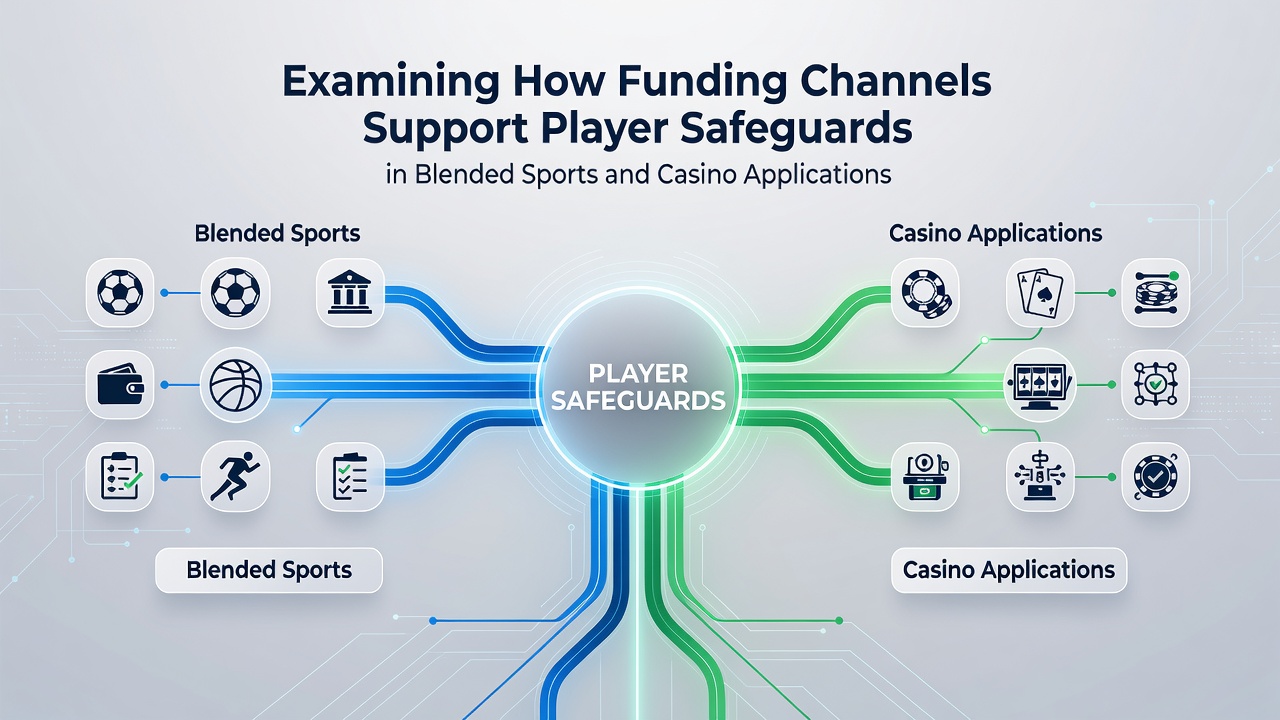
Blended sports and casino applications combine live event wagering with digital slot mechanics and table games, creating platforms where users move seamlessly between betting types. Funding channels that support player safeguards in these environments draw from multiple sources including operator levies, tax allocations, and industry contributions. These mechanisms channel resources toward tools such as real-time risk detection systems, mandatory spending limits, and access to external counseling services.
Primary Funding Sources Across Regions
Government-mandated levies represent one consistent stream in several jurisdictions, where a percentage of gross gaming revenue flows directly into dedicated protection funds. In Australia data from state-based schemes shows these levies support statewide self-exclusion registers and public awareness campaigns that apply equally to sportsbooks and casino-style products. Operators in Canada contribute through provincial agreements that allocate portions of revenue to research institutions studying behavioral patterns in hybrid environments, allowing development of tailored interventions.
Private foundations and trade associations add supplementary resources, often directing grants toward technology upgrades like biometric verification and machine-learning models that flag unusual betting sequences across both sports and slots sections. These contributions operate independently of regulatory requirements yet align with broader compliance goals.
Allocation to Specific Safeguard Tools
Resources from these channels support a range of measures that function across the blended interface. Deposit and loss-limit features receive ongoing maintenance funding, while integrated dashboards display unified spending across sports wagers and casino rounds. Treatment programs benefit from sustained grants that train counselors familiar with the rapid pace of hybrid play, where a user might switch from a football accumulator to a live dealer roulette session within minutes.
Research initiatives funded through the same pathways examine how reward structures in one vertical influence behavior in another. One study coordinated through North American academic centers tracked session lengths in applications offering both verticals and identified patterns that prompted updates to time-out protocols.
Implementation Timelines and July 2026 Developments
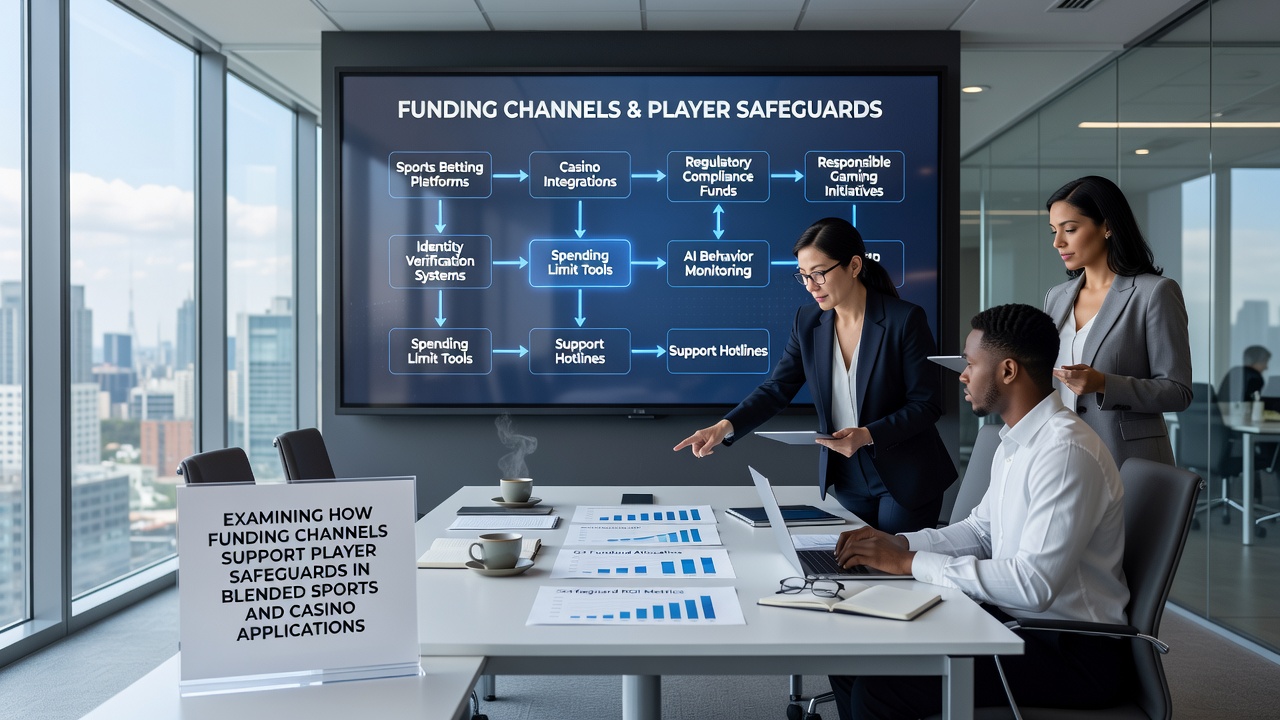
Scheduled reviews of funding distribution occur periodically, with notable adjustments planned for July 2026 in multiple regions. At that point several European frameworks will redirect a larger share of collected levies toward cross-platform monitoring software capable of operating within single-account systems that host both sports and casino content. Australian programs will expand their contribution to national helplines, incorporating data feeds from hybrid operators to improve referral accuracy.
These updates build on existing infrastructure rather than replacing it, allowing operators to integrate new reporting requirements without disrupting user-facing tools. Industry reports indicate that coordinated funding has already enabled deployment of unified exclusion lists that prevent accounts flagged in sports sections from accessing casino features and vice versa.
Measurement of Effectiveness
Effectiveness tracking relies on aggregated metrics supplied by funded research bodies. Participation rates in voluntary limit-setting programs show increases following allocation boosts, while independent audits examine correlation between funding levels and reductions in high-risk play patterns. Observers note that transparent reporting of how levies translate into deployed features strengthens operator accountability across blended applications.
International exchanges between regulators in Canada and Australia have produced shared evaluation frameworks that assess safeguard performance regardless of whether users engage primarily with sports or casino elements. These frameworks emphasize outcome data over process descriptions, focusing on measurable changes in user behavior after interventions activate.
Conclusion
Revenue allocation strategies continue to evolve as blended applications expand their feature sets. Sustained contributions from levies, taxes, and voluntary sources maintain the technical and human resources required for consistent safeguard delivery. Ongoing adjustments scheduled around July 2026 will further align these channels with the integrated nature of modern platforms, ensuring protections scale alongside product complexity. Data from multiple regions demonstrates that structured funding pathways produce measurable support for tools that operate uniformly across sports and casino environments.