Reward Evolution in Online Games: Mechanisms Driving Fair and Sustained Player Participation
Uma Hansen · Jul 1, 2026
Reward Evolution in Online Games: Mechanisms Driving Fair and Sustained Player Participation
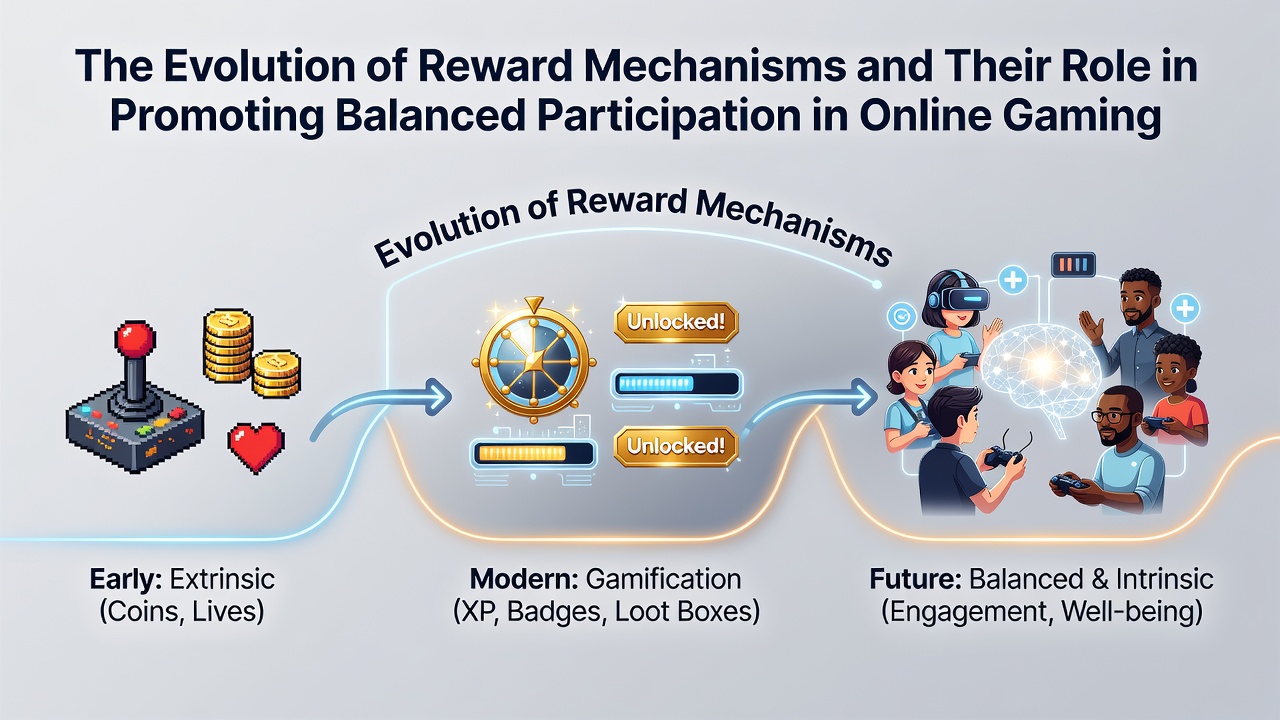
Online gaming has shifted dramatically since the earliest digital titles introduced simple point tallies, and reward mechanisms now incorporate layered progression systems that encourage consistent yet measured involvement from participants. Early arcade cabinets relied on high-score leaderboards to motivate repeated plays, yet developers soon recognized the need for structures that prevented burnout while maintaining interest across diverse player groups.
Early Foundations of Incentive Design
Arcade machines from the 1970s and 1980s established core principles through coin-operated scoring, where players chased numerical milestones that appeared on shared screens in public venues. Researchers note that these visible rankings fostered competition without requiring additional purchases, though access remained limited by physical location and machine availability. By the 1990s, home console and PC titles expanded on this model with experience points that unlocked new abilities, creating internal progression loops that kept individuals returning over multiple sessions.
Multiplayer online environments introduced shared economies where virtual currency and item drops rewarded group cooperation, and studies from industry observers show these systems helped balance participation between casual and dedicated users. Data from global gaming associations indicates that titles incorporating daily login bonuses saw retention rates rise by measurable margins during that decade, while avoiding the overload that came from unrestricted grinding sessions.
Expansion Through Subscription and Free-to-Play Models
The arrival of subscription-based massively multiplayer games added monthly incentives such as exclusive mounts and cosmetic options, which rewarded steady engagement without pressuring players into constant activity. Those who studied participation patterns found that capped reward cycles, where points accumulated only up to a weekly threshold, reduced the gap between heavy and light users. Free-to-play transitions later amplified this approach through battle passes that delivered tiered prizes over fixed timeframes, allowing participants to select their involvement level while still accessing meaningful content.
What's notable here is how these passes integrated social elements, where completing objectives alongside friends multiplied rewards and encouraged balanced group dynamics. Figures from entertainment software reports reveal that regions outside traditional markets adopted these models rapidly, leading to localized adjustments that accounted for different play schedules and cultural preferences.
Modern Layered Systems and Data-Driven Adjustments
Contemporary platforms combine progression trees, achievement collections, and seasonal events into unified frameworks that adapt based on aggregate player behavior. Developers track metrics such as session length and completion rates to calibrate reward density, ensuring that new content does not overwhelm existing participants. One study released in 2024 by an international research consortium highlighted how dynamic scaling prevented reward inflation, where excessive payouts diminished the perceived value of earlier achievements.
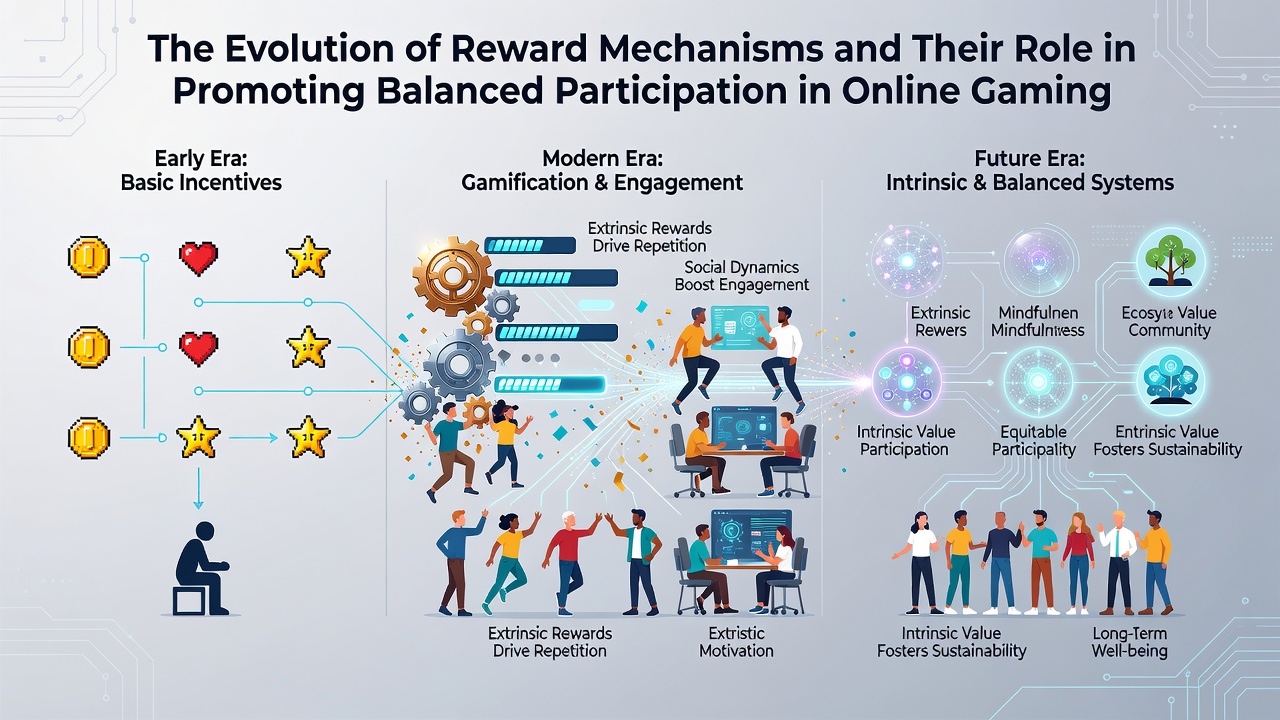
Live service updates in July 2026 further refined these approaches with cross-game reward sharing, allowing progress in one title to influence options in another. Industry organizations tracking adoption rates across North America, Europe, and Asia Pacific documented increased cross-title participation when such linkages remained optional rather than mandatory. This flexibility supported varied schedules, from short mobile sessions to extended desktop campaigns, without favoring any single playstyle.
Role in Equitable Access and Community Health
Reward mechanisms now frequently include accessibility toggles that adjust difficulty or pacing for different skill levels, and evidence from academic papers shows these features narrow participation gaps among age groups and experience brackets. Observers note that transparent probability disclosures for randomized rewards, implemented following regulatory guidance in multiple jurisdictions, have strengthened player trust while maintaining engagement numbers.
Community events that tie individual contributions to collective milestones illustrate another evolution, where shared goals distribute benefits evenly across contributors regardless of total playtime. Trade group analyses indicate that such designs correlate wth longer overall platform lifespans and reduced churn among newer entrants who might otherwise feel excluded by veteran advantages.
Conclusion
The progression from basic score displays to adaptive, multi-platform incentive frameworks demonstrates how reward mechanisms have matured into tools that sustain interest while supporting balanced involvement. Data continues to guide refinements that respect player autonomy and diverse lifestyles, ensuring online gaming environments remain accessible as technology and audiences evolve. Continued monitoring by researchers and industry bodies will likely shape future iterations that maintain these principles across emerging formats.