Secure Payment Systems Drive Tiered Rewards and Harm Reduction Across Mobile Gaming Platforms
Uma Hansen · Jul 20, 2026
Secure Payment Systems Drive Tiered Rewards and Harm Reduction Across Mobile Gaming Platforms
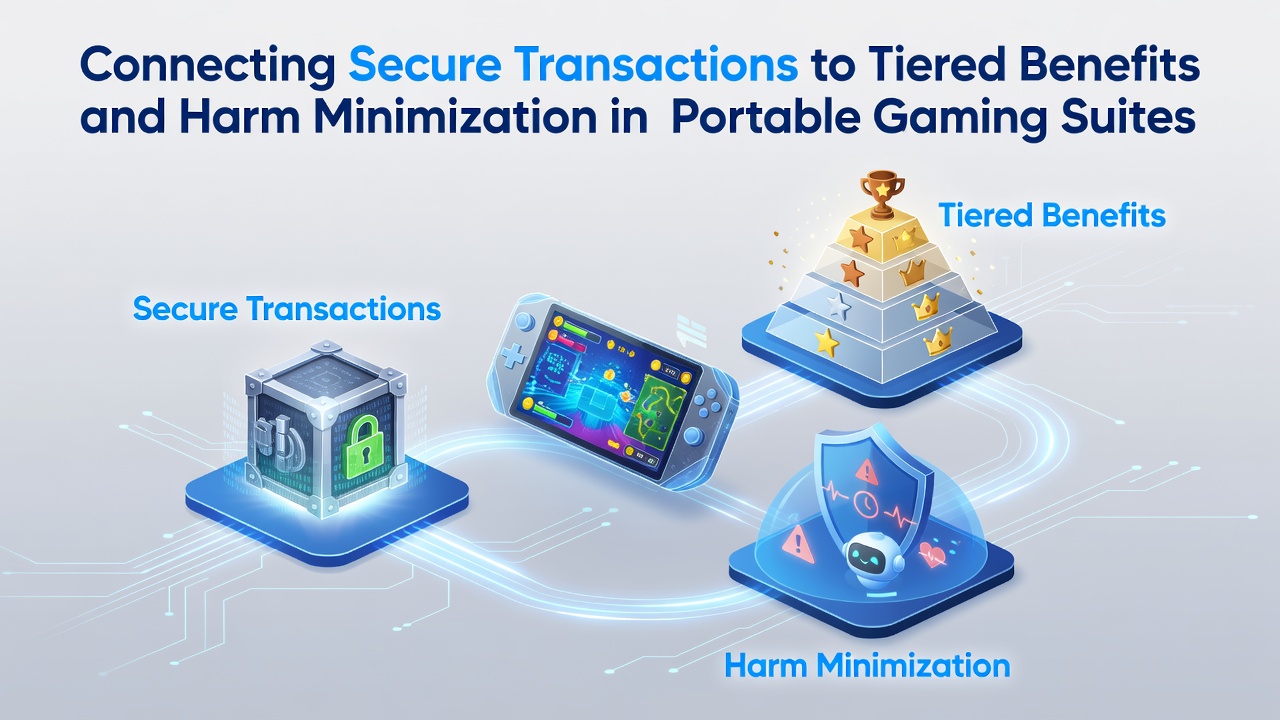
Portable gaming suites now integrate encrypted transaction protocols directly with loyalty structures that scale rewards based on verified activity levels while embedding tools that flag and limit excessive play patterns. These connections allow operators to deliver cashback percentages, bonus credits, and exclusive event access only after transaction verification confirms both the source and the amount, creating a traceable pathway from deposit to benefit allocation. Data from regulatory filings across multiple jurisdictions shows that platforms adopting this linkage report measurable drops in dispute rates and quicker identification of accounts exhibiting rapid deposit sequences.
Encryption Standards Supporting Tier Progression
Advanced encryption methods, including tokenization and multi-factor authentication at the point of each transfer, create the foundation for tiered benefit systems. Players move from entry-level status to higher brackets once cumulative verified transactions reach set thresholds, unlocking higher reward multipliers without exposing personal banking details during routine activity. Observers note that this structure reduces friction during account reviews because every benefit release traces back to authenticated payment records, allowing systems to adjust limits automatically when spending velocity exceeds predefined safety markers.
One operator in the Asia-Pacific region implemented these protocols in early 2025 and recorded a 22 percent increase in players reaching mid-tier status within six months, while simultaneously cutting manual intervention cases by nearly a third. The same framework flags accounts that attempt rapid tier climbs through repeated high-value transfers, prompting temporary cooling periods before further rewards activate.
Harm Minimization Features Tied to Transaction Verification
Harm minimization tools gain precision when linked to the same verification layer that governs tier access. Deposit frequency checks, loss-limit reminders, and session-time caps activate based on real-time transaction data rather than self-reported information. Research conducted by the Responsible Gambling Council in Canada indicates that integrated systems identify potential issues 15 to 20 days earlier than standalone monitoring tools, because verified payment streams reveal patterns that self-exclusion requests or voluntary limits alone cannot capture.
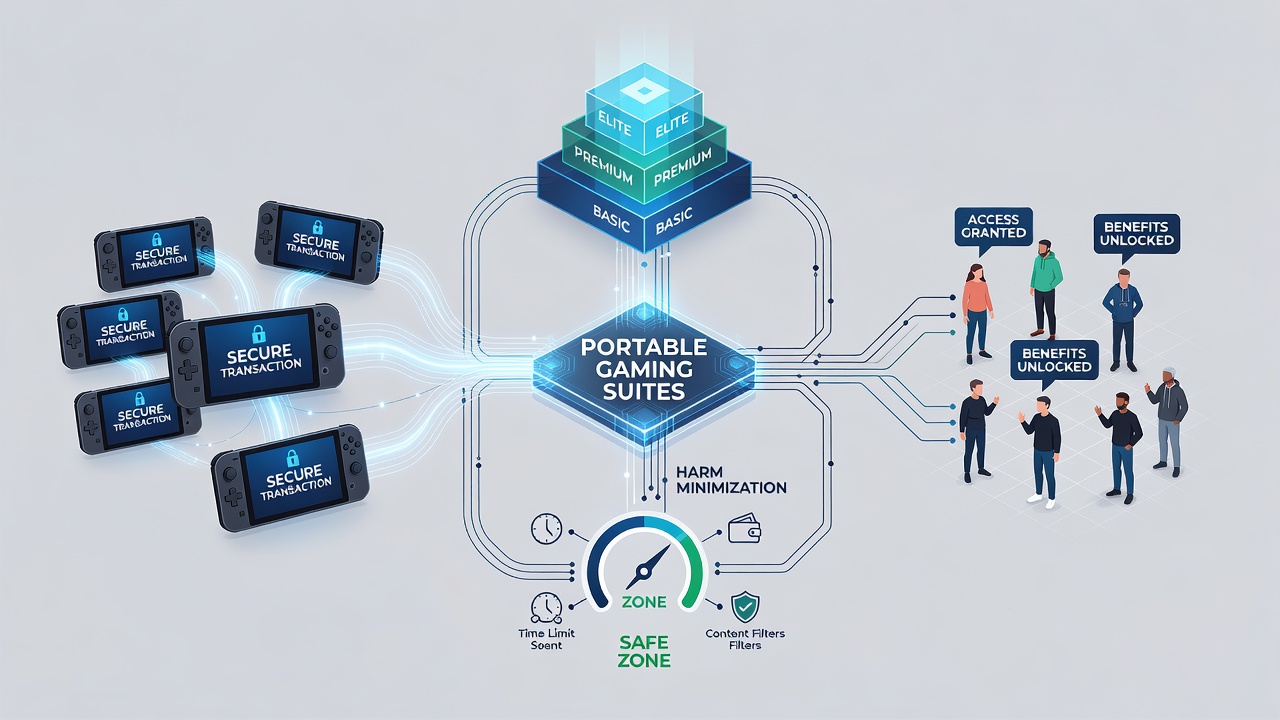
Systems in development for rollout by July 2026 plan to expand this linkage further by incorporating cross-platform transaction histories. A player who reaches a spending threshold on one device will see consistent limit settings and benefit eligibility reflected across linked applications, closing gaps that previously allowed circumvention through multiple portable suites.
Regional Regulatory Approaches Shaping Implementation
Authorities in different markets have begun requiring documented connections between payment security and player protection measures. The Alcohol and Gaming Commission of Ontario updated its technical standards in late 2025 to mandate that any loyalty tier advancement must pass through verified transaction logs before rewards become available. Similar requirements appear in draft rules from the New South Wales Independent Liquor and Gaming Authority, which emphasize audit trails that connect each benefit release to an authenticated deposit or withdrawal event.
These rules encourage operators to build harm-minimization triggers into the same workflow that processes tier upgrades. When a transaction pattern triggers a risk score above a set threshold, the system withholds the next reward tier until a review occurs or cooling measures take effect. Industry reports from the European Gaming and Betting Association note that operators following this approach have seen voluntary limit-setting rates rise without corresponding drops in overall player retention.
Practical Examples from Current Deployments
One European-facing platform introduced a three-tier structure where entry to the middle bracket required at least five verified deposits totaling a specific amount within a rolling 30-day window. The same platform embedded automatic session reminders that appear when cumulative losses approach a pre-set percentage of the verified deposit total. Players who accepted the reminders and adjusted their activity retained access to the next tier, whereas those who ignored repeated prompts faced temporary benefit freezes.
Another case involves an operator serving the Latin American market that tied cashback percentages directly to transaction security scores. Accounts maintaining consistent use of tokenized payments and two-factor confirmation received higher cashback rates and earlier access to promotional events. The operator reported that this scoring system also reduced chargeback volumes because disputed transactions could be traced through the same verification chain used for tier calculations.
Conclusion
Portable gaming platforms continue to align secure transaction processes with tiered benefit delivery and harm minimization protocols through shared data pathways. Regulatory updates scheduled through 2026 will likely expand these requirements across additional jurisdictions, reinforcing the need for traceable payment records that simultaneously support reward scaling and protective interventions. The resulting systems deliver benefits only after security checks confirm legitimacy while using the same data streams to detect and respond to emerging risk patterns.