Secure Transaction Frameworks Powering Reward Mechanisms in Handheld Betting and Casino Environments
David Becker · Oct 23, 2026
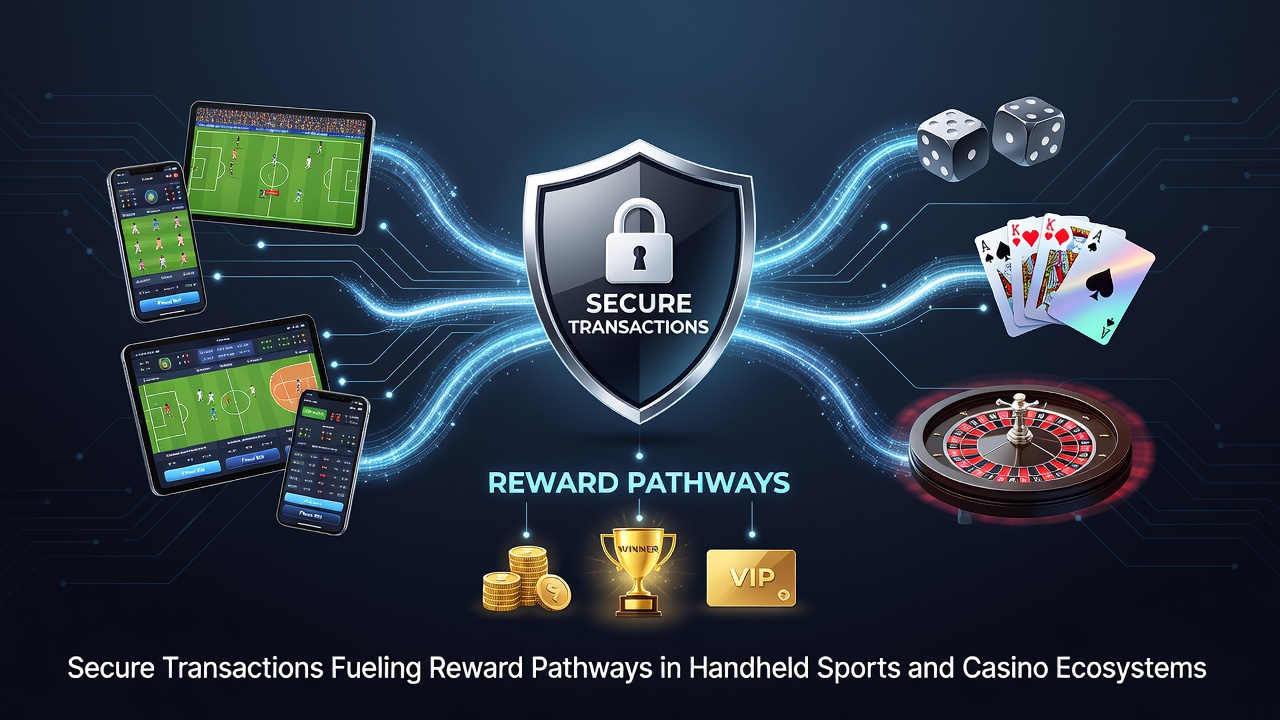
Secure Transaction Frameworks Powering Reward Mechanisms in Handheld Betting and Casino Environments
Secure payment systems now underpin much of the expansion seen in mobile sports betting and casino applications, where encrypted channels allow operators to process deposits and withdrawals while simultaneously tracking player activity for loyalty rewards. Data from industry reports shows that platforms employing advanced tokenization and multi-factor authentication experience higher volumes of repeat transactions, which in turn feed directly into tiered reward structures. Observers note that these systems reduce friction at the point of entry, enabling seamless movement of funds that supports everything from instant bonus credits to accumulated points redeemable across sportsbooks and slot libraries.
Core Technologies Behind Protected Mobile Payments
Encryption protocols combined with biometric verification form the backbone of contemporary handheld transaction security, and researchers at various academic institutions have documented how these layers prevent unauthorized access during high-frequency betting sessions. Payment gateways that incorporate real-time fraud detection algorithms further streamline operations, since they flag anomalies without interrupting the flow of funds that later convert into loyalty points or cashback offers. Those who analyze transaction logs find that platforms with robust security measures maintain elevated retention rates because players encounter fewer interruptions when moving between live dealer tables and in-play sports wagers.
Linking Transactions to Layered Reward Structures
Reward pathways operate as interconnected loops where every verified deposit or withdrawal contributes to a player's progress through VIP levels, and analysts tracking these patterns report that secure infrastructure makes such accumulation reliable across both sports and casino verticals. For instance, a user placing repeated wagers on mobile football markets can accumulate points that transfer automatically to casino promotions, provided the underlying payment rails remain encrypted and compliant. Industry organizations such as the American Gaming Association have highlighted how integrated ledgers allow operators to reward consistent activity without exposing sensitive financial details, creating closed-loop ecosystems that feel responsive to individual betting habits.
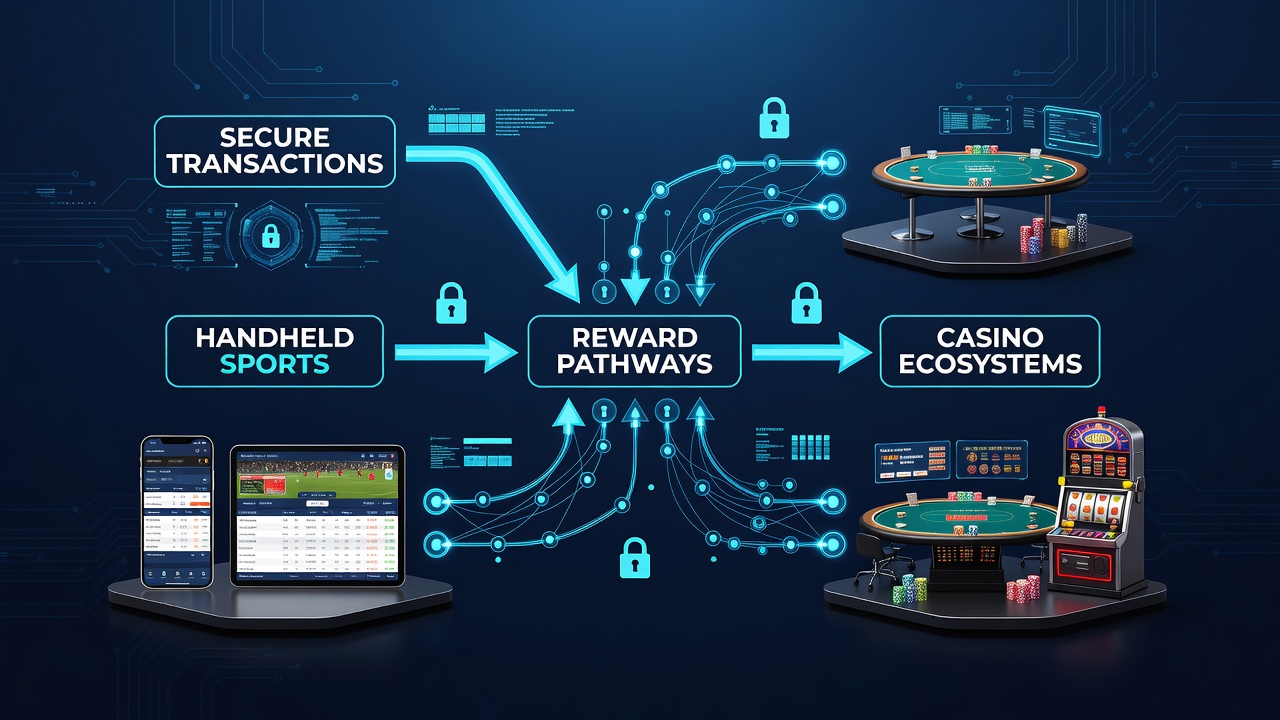
Cross-Platform Integration in Sports and Casino Applications
Handheld environments increasingly merge sports wagering interfaces with casino game suites, and secure transaction frameworks serve as the common thread that keeps reward balances synchronized across both. A single authenticated session can now handle a live sports bet followed by a transition to video slots, with the same tokenized payment method updating loyalty metrics in real time. Data indicates that operators deploying unified wallets see accelerated movement through reward tiers because players no longer navigate separate funding processes for each vertical, reducing drop-off rates during multi-activity sessions.
Regulatory Timelines and Their Influence on Payment Standards
Upcoming adjustments to licensing fee structures in multiple jurisdictions, including changes slated for October 2026, have prompted operators to strengthen their transaction safeguards ahead of heightened compliance expectations. These shifts encourage adoption of standardized security certifications that simultaneously protect player funds and validate the accuracy of reward calculations. External research from sources such as the Canadian Centre for Gaming and Gambling Research demonstrates that jurisdictions enforcing stricter payment protocols record steadier growth in mobile engagement metrics, since verified systems support transparent tracking of promotional distributions tied to transaction volume.
Practical Outcomes Observed Across Global Markets
Case examples from established operators reveal that platforms investing in end-to-end encryption report measurable increases in cross-product play, where sports bettors migrate to casino content and vice versa while their accumulated rewards remain intact. The reality is that frictionless fund movement, backed by continuous security monitoring, allows reward pathways to function as genuine retention tools rather than isolated marketing features. Those monitoring quarterly figures note consistent patterns where enhanced security correlates with expanded use of loyalty currencies across handheld devices in both mature and emerging markets.
Conclusion
Secure transaction frameworks continue to shape how reward pathways develop within mobile sports and casino ecosystems by providing the reliable backbone needed for continuous point accumulation and redemption. As regulatory environments evolve through 2026 and beyond, the emphasis on protected payment rails supports sustained integration between sports and casino offerings while maintaining verifiable records of player activity. The measurable outcomes remain tied to the quality of encryption, authentication, and real-time monitoring that operators implement across their handheld platforms.