Secure Transaction Systems and Controlled Play Integration in Multi-Format Digital Hubs
Noah Meier · Jun 3, 2026

Secure Transaction Systems and Controlled Play Integration in Multi-Format Digital Hubs
Digital entertainment hubs now combine slots, table games, live dealer streams, and sportsbooks within single platforms, which means transaction pathways must handle payments while feeding data into systems that monitor and guide play patterns. Observers note that these connections help platforms maintain compliance across formats without disrupting user flow, and data from industry reports shows integrated systems process millions of transactions daily while applying real-time controls.
Payment gateways in these hubs use encryption standards alongside identity verification steps that trigger play limits based on account activity. Researchers at academic institutions have documented how such linkages allow platforms to adjust session parameters automatically when patterns deviate from established norms, and this approach appears in both European and North American markets where operators serve diverse player bases.
Transaction Architecture Supporting Play Oversight
Multi-format hubs route deposits and withdrawals through centralized ledgers that record every action with timestamps and game-type identifiers, creating datasets that feed directly into behavioral analysis tools. Those who've examined platform designs point out that this architecture lets operators apply format-specific rules, such as shorter time limits on high-volatility slots compared to steady sportsbook bets, while the same security layer handles all inflows and outflows.
According to reports from gaming associations in Canada, platforms using these unified pathways reduced unauthorized transaction attempts by significant margins in recent testing periods. The same systems flag accounts showing rapid deposit sequences across different game types, then prompt users toward preset cooling periods or reduced stake options without requiring separate logins or app switches.
Controlled Play Patterns Across Game Formats
Play patterns become more manageable when transaction data links directly to session controls, allowing platforms to enforce daily, weekly, or monthly caps that apply uniformly yet adapt to the format in use. For instance, a player moving from live dealer tables to sports wagering encounters the same underlying limit structure because the payment pathway serves as the single source of truth for spend tracking.
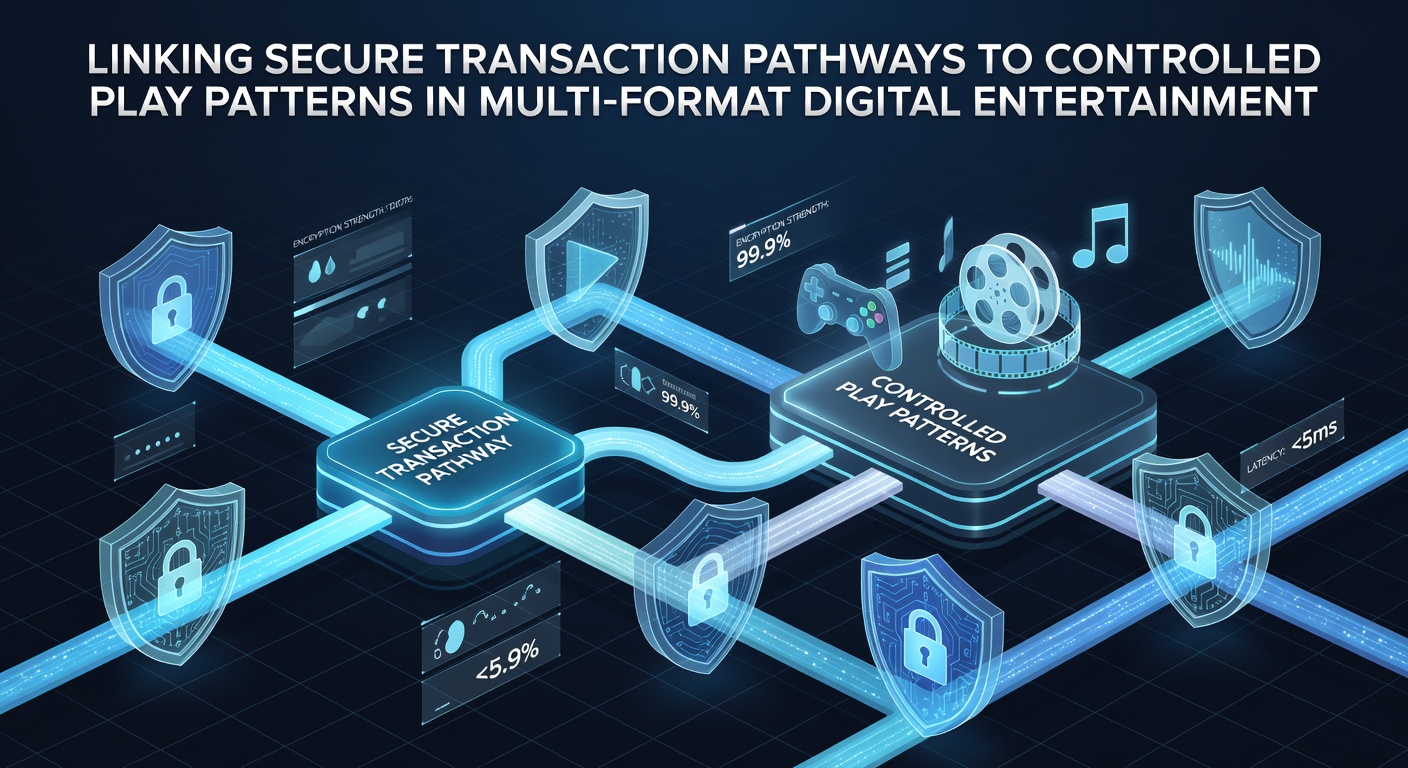
Studies conducted by research groups in Australia indicate that players on platforms with these integrated controls maintain longer-term engagement levels compared to those on fragmented systems, largely because the controls prevent abrupt interruptions while still guiding behavior. Data collected through June 2026 continues to show operators expanding these features as more jurisdictions require cross-format reporting.
Regional Examples and Implementation Trends
In the United States, several state-licensed operators have adopted transaction-to-play linkages that align with Nevada Gaming Control Board guidelines on responsible features, resulting in consistent application of deposit limits across mobile and desktop access points. European platforms meanwhile draw on frameworks from the Malta Gaming Authority to ensure sports betting deposits trigger the same responsible play prompts as casino game activity.
One case highlighted by trade publications involved a platform that unified its sportsbook and slots environments through a shared ledger, after which average session durations stabilized and player-initiated limit adjustments increased. Such outcomes align with findings from independent research papers that examined transaction logs from multiple operators over extended periods.
Future Directions in Hub Design
Platform developers continue refining how transaction security layers communicate with play pattern modules, incorporating machine learning models that predict when a user might benefit from an intervention based on cross-format spending velocity. These advancements build on existing infrastructure rather than replacing it, which keeps costs manageable while expanding oversight capabilities.
Industry organizations tracking global trends report rising adoption rates among operators who manage both retail-connected and fully online formats, suggesting the linkage model scales effectively as digital hubs grow more complex through 2026 and beyond.
Conclusion
Linking secure transaction pathways with controlled play patterns provides multi-format digital entertainment hubs with a practical mechanism for managing activity across slots, tables, live dealers, and sportsbooks. Evidence from regulatory bodies, academic studies, and operator reports demonstrates measurable effects on compliance and session management without fragmenting the user experience. As platforms evolve, these integrated systems are expected to remain central to how operators handle both payments and behavioral guidance in unified environments.