Tiered Loyalty Programs Connecting Deposit Choices and Self-Regulation Tools in Hybrid Gaming Applications
Felix Meier · Sep 25, 2026
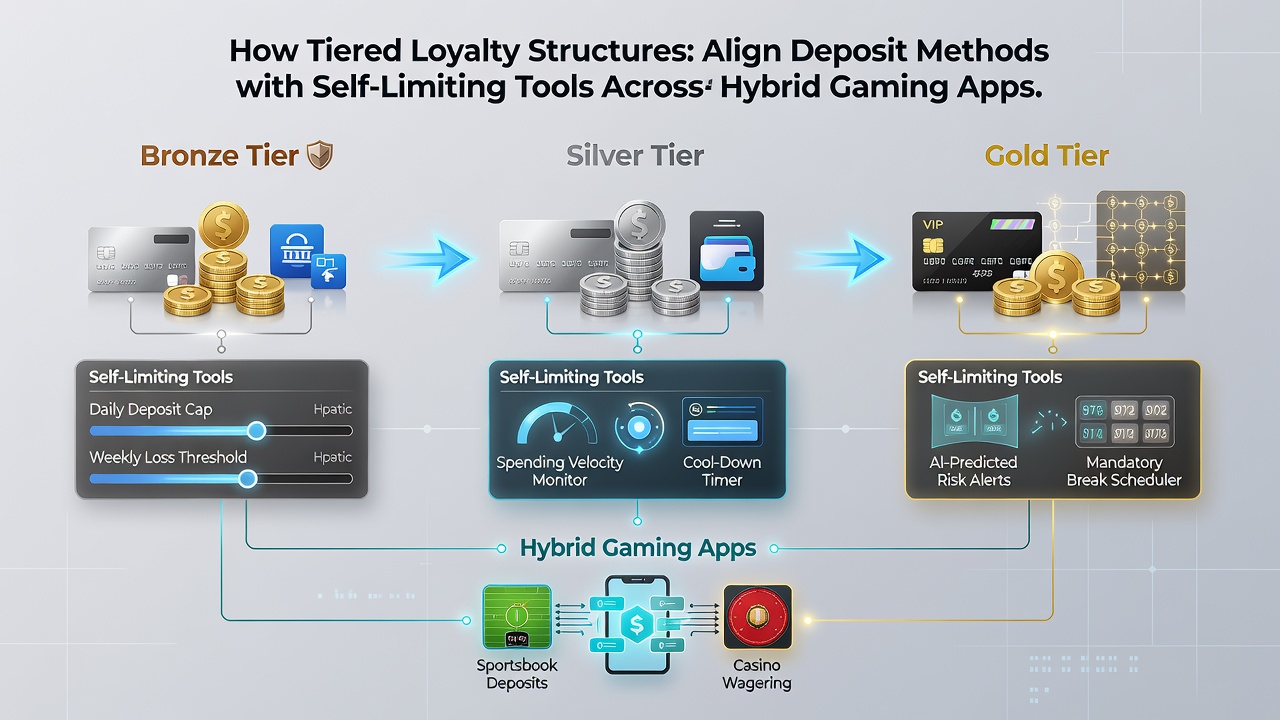
Tiered Loyalty Programs Connecting Deposit Choices and Self-Regulation Tools in Hybrid Gaming Applications
Hybrid gaming applications combine sports wagering, slot mechanics, and live dealer options within single platforms, and operators apply tiered loyalty programs to reward consistent activity while linking those rewards directly to selected deposit methods and self-limiting controls. Data from industry analyses indicate that these structures allow players to unlock higher reward levels through preferred payment channels such as e-wallets or bank transfers, and the same tiers often embed prompts for deposit caps, session timers, and loss thresholds that adjust automatically based on player history.
Structure of Tiered Loyalty Systems in Integrated Platforms
Operators organize loyalty programs into progressive levels where entry points begin with basic rewards like bonus credits on deposits, while advanced tiers provide cashback percentages tied to specific funding sources and enhanced access to self-regulation dashboards. Researchers at academic institutions tracking player behavior note that participants who reach mid-tier status frequently select recurring deposit methods that trigger automatic limit suggestions calibrated to prior activity patterns, and this alignment reduces friction between reward pursuit and responsible play features.
Studies conducted across North American markets reveal that loyalty points accumulate faster when players use verified deposit methods integrated with platform APIs, and higher tiers grant priority support for adjusting self-limits without interrupting reward accrual. Those who monitor these systems observe that the connection between payment choice and limit tools appears most pronounced in applications serving multiple verticals simultaneously, where a single account balance feeds both sports and casino modules.
Alignment Between Deposit Methods and Self-Limiting Features
Platform developers design deposit interfaces to surface loyalty tier status alongside available payment options, and selecting a method at higher tiers often activates pre-set limit reminders drawn from account data. Evidence from regulatory reports in Canada and Australia shows that such integrations correlate with increased usage of voluntary deposit caps, because the system presents limit adjustments as part of the reward pathway rather than a separate compliance step.
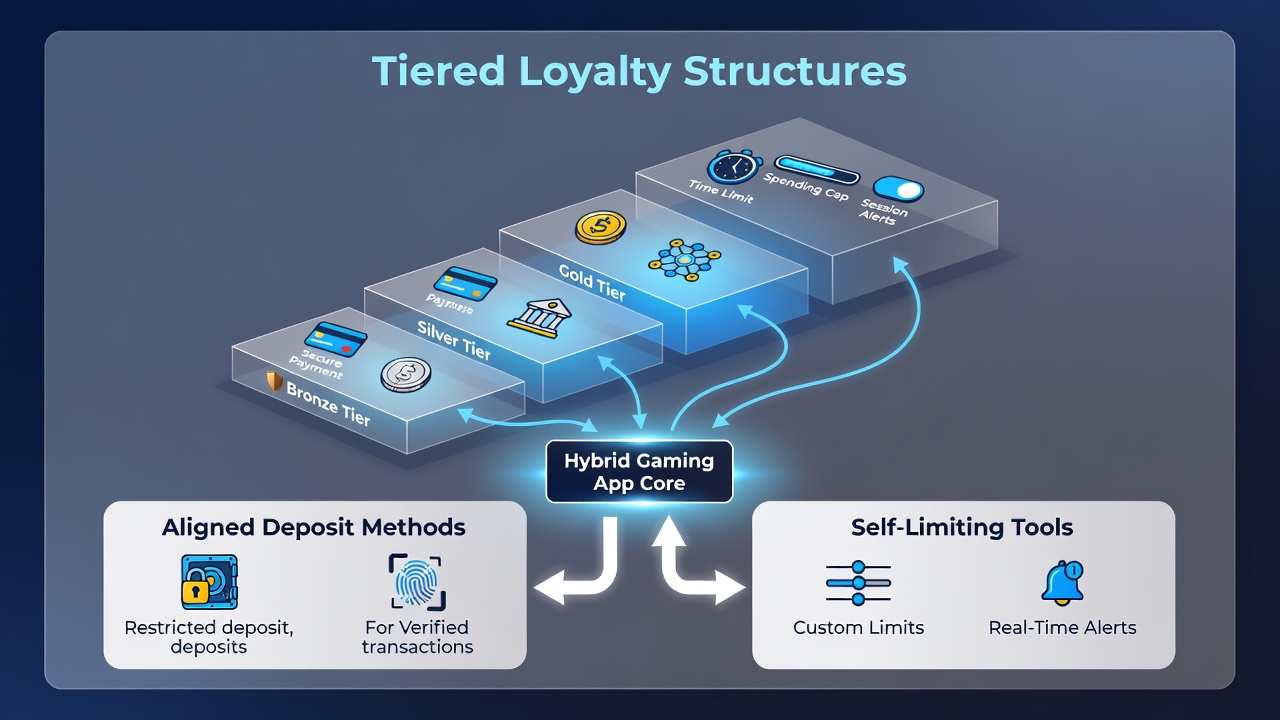
One documented case involved a multi-state operator that synchronized credit card deposits with tiered cashback rates while embedding weekly spending limits that scaled with loyalty progress, and subsequent usage logs indicated steady adoption of those limits among players who advanced beyond entry level. Industry associations such as the American Gaming Association have published summaries noting similar patterns in jurisdictions where operators must report on player protection tool engagement.
Operational Mechanics Across Hybrid Applications
Hybrid apps maintain unified player profiles that feed loyalty calculations from combined sports and casino activity, and deposit method preferences influence both point multipliers and the visibility of self-limit options within the same dashboard. Observers note that when a player designates an e-wallet as primary at silver or gold tier status, the platform automatically surfaces corresponding time-out and reality-check settings calibrated to that payment channel's transaction history.
Technical implementations rely on real-time data synchronization between payment processors and responsible gambling modules, allowing limit modifications to reflect instantly in loyalty progress trackers. Research papers from European universities examining cross-border operators indicate that this synchronization maintains consistency across mobile and desktop interfaces, reducing instances where players bypass self-limits through alternate deposit routes.
Regulatory Context and Implementation Timelines
Multiple jurisdictions continue updating standards for integrated player protection features, and platform updates scheduled around September 2026 in certain markets aim to expand reporting requirements on how loyalty tiers interact with deposit and limit tools. Government agencies in regions outside the United Kingdom track these developments through periodic compliance audits that examine whether reward structures inadvertently discourage limit usage or actively support it.
Trade organizations compile comparative data showing variation in implementation speed, with some operators completing tier-limit integrations ahead of mandated deadlines while others phase rollouts according to user segment testing.
Conclusion
Tiered loyalty structures in hybrid gaming applications create measurable connections between deposit method selection and self-limiting tool engagement by embedding both functions within unified reward pathways. Available data from regulatory summaries and academic reviews demonstrate that these alignments appear in multiple markets through synchronized interfaces and automated prompts. Continued monitoring by industry groups and research bodies will document further evolution as platforms adapt to updated operational standards.