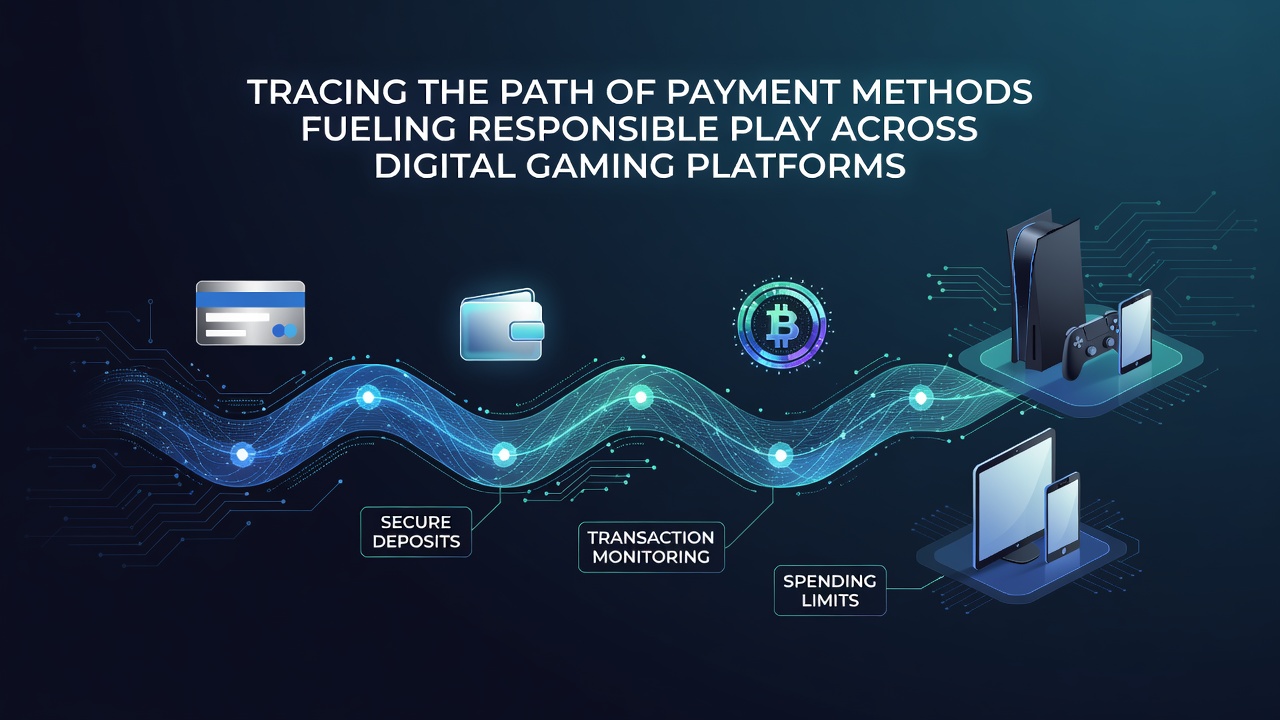
Tracing the Path of Payment Methods Fueling Responsible Play Across Digital Gaming Platforms
Petra Vogel · Jun 29, 2026
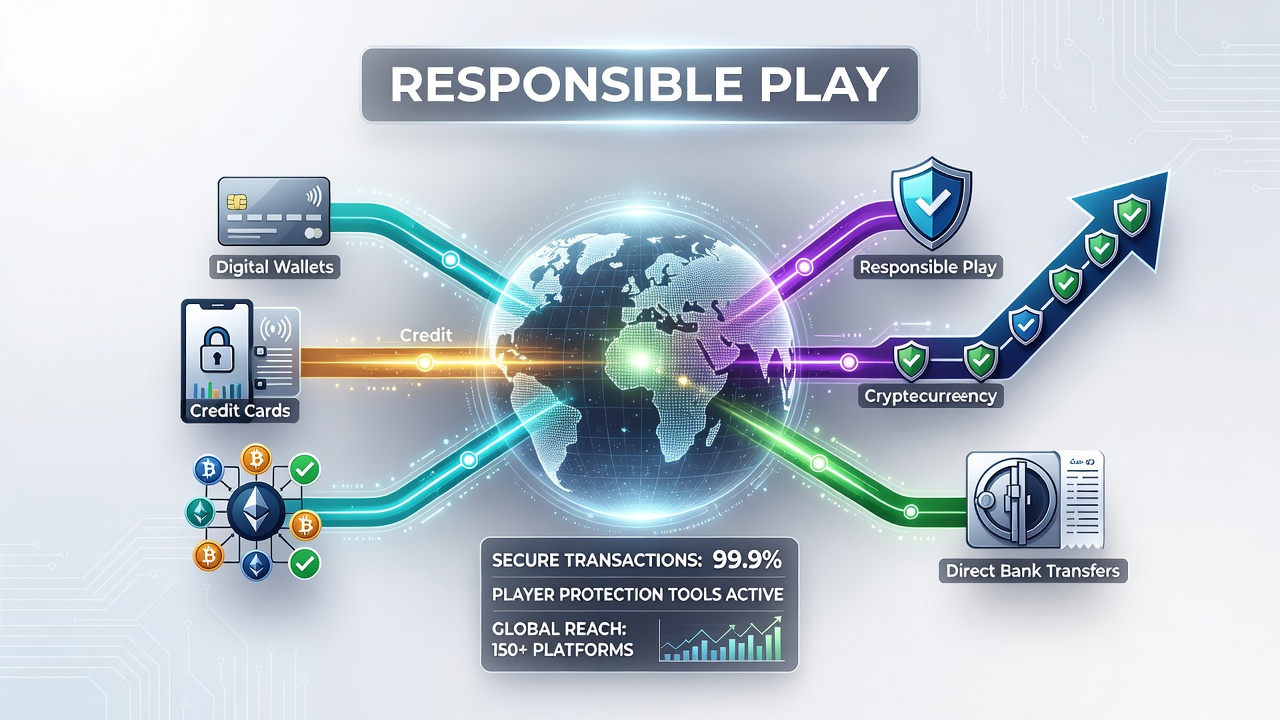
Tracing the Path of Payment Methods Fueling Responsible Play Across Digital Gaming Platforms
Payment systems have evolved alongside digital gaming platforms to incorporate tools that support player controls and financial oversight, and observers note this development stretches back to the early days of online casinos in the late 1990s when credit card processing first became standard. Those systems allowed operators to set basic deposit thresholds while researchers tracked usage patterns that revealed how certain transaction methods aligned with spending limits established by users themselves.
Early Foundations and Credit-Based Systems
Credit and debit card networks established initial frameworks for transaction monitoring because processors could flag unusual activity and enforce daily caps that players requested through account settings. Data from regulatory filings in multiple jurisdictions shows these early integrations reduced instances of rapid successive deposits by incorporating cooling-off periods directly into the payment flow. Yet many platforms struggled with chargeback disputes that sometimes bypassed player-set limits until card issuers introduced specific gaming transaction codes around 2010.
Bank transfers emerged as another layer because they required verified account details that tied directly to identity verification processes already mandated by licensing bodies. Experts have observed that this method created natural pauses in gameplay since processing times ranged from hours to days which gave users additional time to reconsider further activity before funds cleared.
Digital Wallets and Integrated Controls
E-wallets gained prominence by the mid-2010s when services began embedding responsible gambling features such as session timers and loss thresholds directly into their dashboards. Players could link these wallets to gaming accounts while maintaining separate balances that operators could not access without explicit user approval which added another safeguard layer. Research indicates that wallet providers in regions like the European Union and Canada reported higher adoption rates for these tools compared to traditional cards because the interfaces made limit-setting more intuitive.
Emerging Technologies and June 2026 Developments
Cryptocurrency options entered the landscape more prominently after 2020 because blockchain transparency allowed immutable records of all transactions that both players and operators could review for patterns of excessive play. Several platforms introduced hybrid wallets that combined crypto with fiat on-ramps while enforcing the same deposit and withdrawal restrictions applied to conventional methods. By June 2026 industry reports documented that over 35 percent of new digital gaming accounts incorporated at least one crypto-linked payment channel with built-in spending alerts triggered at user-defined intervals.
Prepaid vouchers and gift card systems also adapted by requiring registration that linked purchases to verified identities thereby preventing anonymous top-ups that previously bypassed spending controls. Those who've studied transaction data across platforms note that voucher usage dropped in jurisdictions with strict self-exclusion registries once operators began cross-referencing voucher serial numbers against exclusion lists maintained by independent third parties.
Cross-Platform Integration and Data Sharing
Payment processors now collaborate with gaming operators through APIs that automatically apply player-set limits across multiple sites and apps simultaneously. This interconnected approach means a single deposit cap established on one platform can influence transaction approvals on others because shared databases flag accounts that reach predefined thresholds. Figures from industry associations reveal that such integrations have expanded in North America and Australia where regulatory frameworks encourage data exchange between financial service providers and licensed operators.
Instant bank payment solutions like open banking protocols further streamline verification while embedding real-time balance checks that prevent transfers exceeding remaining daily or monthly allowances. Those protocols connect directly to player accounts at financial institutions which adds an external layer of oversight that operators alone cannot override. Studies conducted by academic researchers in the field have highlighted how these connections reduce the likelihood of impulsive deposits during extended sessions because approval requires fresh authentication each time.
Global Variations in Adoption
Different regions have prioritized distinct payment pathways based on local regulations and consumer preferences. In parts of Asia operators lean toward mobile carrier billing because it ties transactions to phone accounts that already enforce age verification and spending caps at the network level. European markets meanwhile favor SEPA transfers and digital wallets that support multi-currency handling with automatic currency conversion alerts that help users track real costs across borders.
North American platforms increasingly integrate with state-run responsible gambling databases that payment processors must query before processing any gaming-related transfer. This requirement ensures that self-excluded individuals cannot fund accounts even if they attempt to use multiple payment methods in quick succession. Data shows these checks add mere seconds to transaction times while creating comprehensive audit trails that regulators can review during compliance audits.
Conclusion
The progression of payment methods continues to intersect with responsible play mechanisms through ongoing technical refinements and regulatory alignment. As digital gaming expands operators and processors refine these connections to maintain transaction integrity while respecting user-defined boundaries across diverse platforms and regions. Future developments will likely build on existing infrastructures that already demonstrate measurable impacts on spending behaviors tracked through aggregated industry metrics.