Transaction Networks Empowering Multi-Level Rewards in Portable Hybrid Gaming Systems
Uma Hansen · Jun 22, 2026
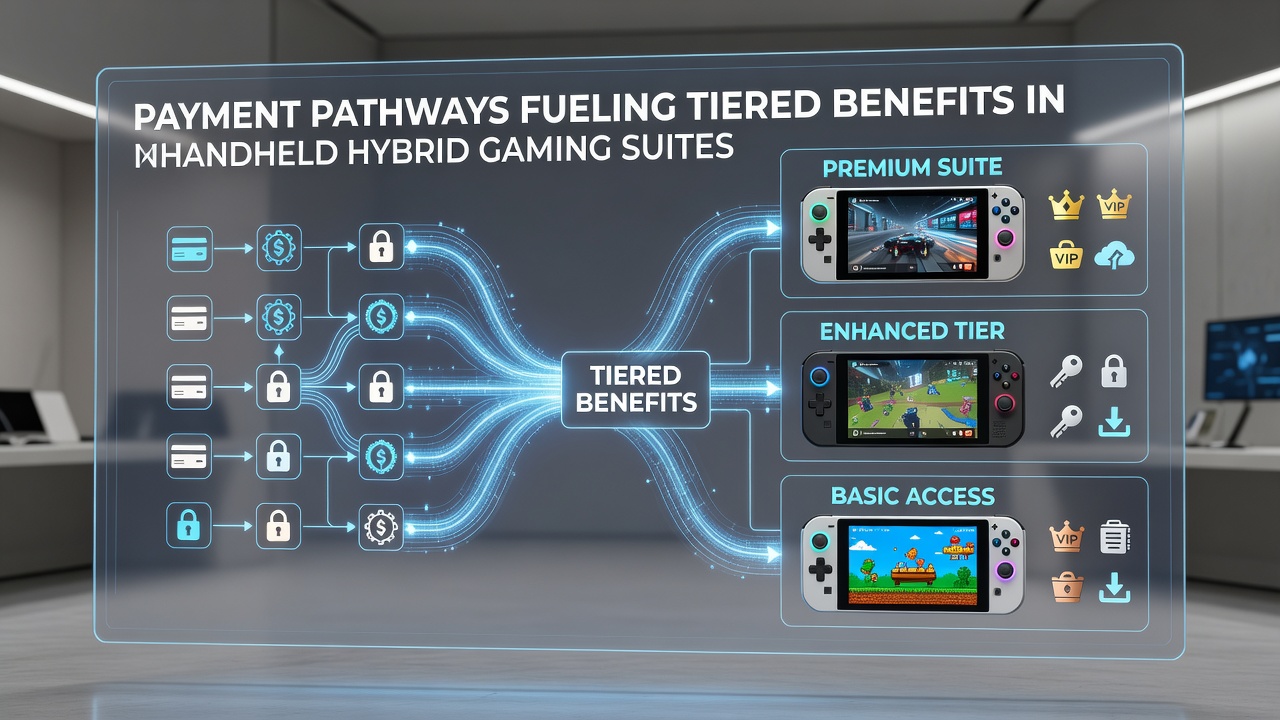
Transaction Networks Empowering Multi-Level Rewards in Portable Hybrid Gaming Systems
Payment systems form the backbone of reward structures in handheld hybrid gaming suites, where mobile applications combine slots, live dealer experiences, and sports wagering into single platforms. These networks process deposits and withdrawals through various channels, each contributing to player progression across defined benefit tiers. Data from industry analyses shows that faster transaction methods correlate with higher engagement rates, allowing users to accumulate loyalty points more rapidly and unlock enhanced perks such as personalized bonuses and priority access.
Core Payment Channels and Their Role in Tier Progression
Traditional card payments continue to dominate initial deposits in many regions, yet e-wallets and instant bank transfers accelerate the path to elevated status levels. When players select methods that settle within seconds, activity tracking systems register contributions sooner, advancing accounts through bronze, silver, gold, and platinum categories. Research indicates that platforms integrating multiple gateways experience broader adoption because users encounter fewer delays between funding rounds and reward calculations.
Digital currency options add another dimension, particularly in markets where volatility concerns have eased through stablecoin adoption. Observers note that hybrid suites incorporating these pathways often see increased session lengths, as seamless inflows support continuous play across game types. One study from a North American regulatory body revealed that transaction speed directly influences the frequency of tier upgrades, with quicker pathways leading to more consistent point accumulation over monthly periods.
Integration Patterns Across Mobile Ecosystems
Hybrid gaming applications rely on unified ledgers that sync payment activity with game-specific metrics, creating composite scores for tier determination. Developers embed APIs from payment providers directly into app frameworks, enabling real-time updates visible on handheld screens. Those who've examined platform architectures find that such integration reduces friction, encouraging users to explore sportsbooks alongside reel-based games without separate account management steps.
In June 2026, several operators expanded support for regional payment preferences in response to shifting user demographics. This adjustment allowed hybrid suites to accommodate localized options like prepaid vouchers and mobile carrier billing, each feeding into the same tier system. Figures from market reports demonstrate that diversified pathways increase retention among casual participants who might otherwise limit activity to single-game categories.
Benefit Structures Linked to Transaction Volume
Tiered rewards typically scale with cumulative deposit values and withdrawal patterns, where higher bands unlock cashback percentages, exclusive event invitations, and accelerated point multipliers. Payment history serves as the primary input, supplemented by play volume, yet the entry threshold often hinges on verified funding activity. Industry associations tracking these models report that platforms emphasizing transparent pathway contributions maintain steadier user bases over time.
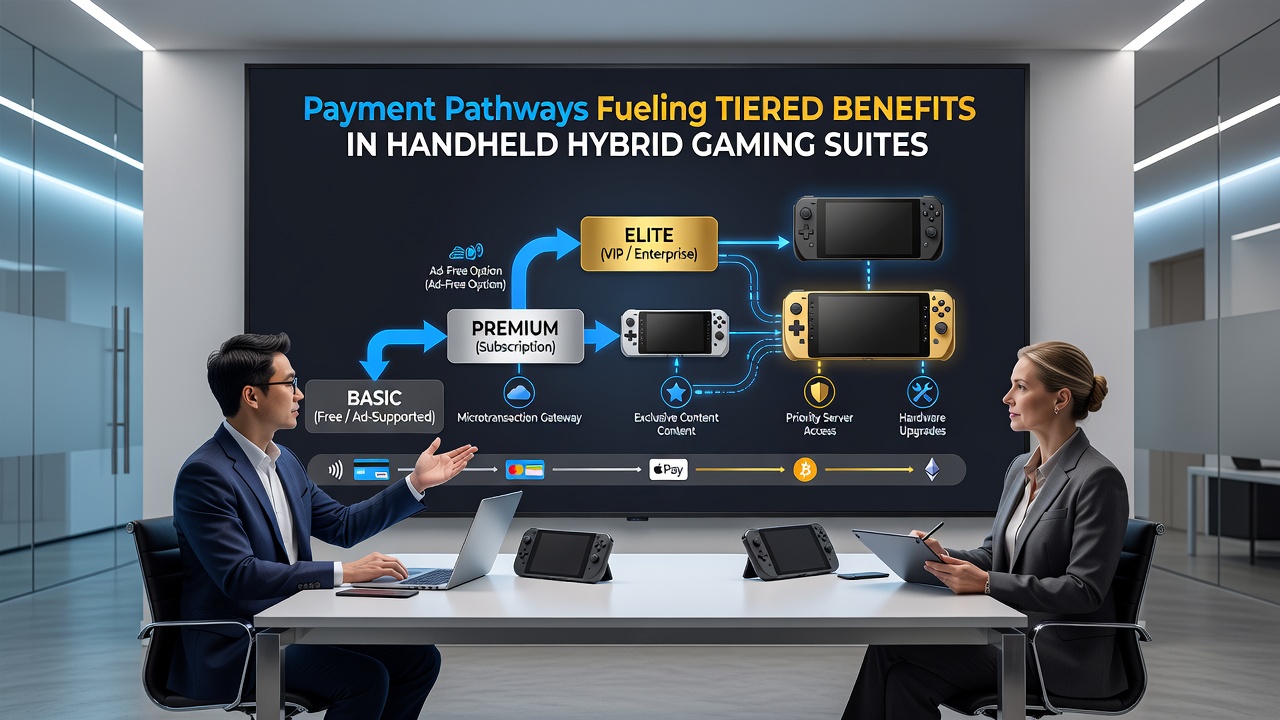
Security protocols embedded within these networks further support tier stability, as verified transactions reduce account flags that could otherwise stall progression. Researchers at academic institutions studying digital entertainment have documented cases where robust encryption and compliance checks coincide with smoother reward distribution cycles. Players advancing through tiers gain access to dedicated support lines and customized promotional calendars tied directly to their payment profiles.
Regional Variations in Pathway Adoption
European markets show strong preference for instant bank solutions integrated with regulatory oversight from bodies such as the Malta Gaming Authority, while Australian operators frequently highlight e-wallet compatibility in their hybrid offerings. Victorian Responsible Gambling Foundation reports highlight how localized payment preferences influence tier accessibility across different jurisdictions. North American trends include growing incorporation of cryptocurrency rails, driven by state-level approvals that align transaction logs with existing compliance frameworks.
Cross-border users encounter additional considerations, since currency conversion fees can affect net contributions toward tier thresholds. Observers at trade organizations note that platforms offering fee offsets through specific pathways maintain competitive edges in global mobile segments. These adjustments ensure that international participants progress at comparable rates despite varying banking infrastructures.
Future Trajectory for Payment-Driven Rewards
Emerging technologies such as embedded finance features within gaming apps promise further refinement of tier mechanics. Tokenized payments and programmable rewards could automate benefit allocation based on real-time transaction data, reducing manual reconciliation steps. Evidence from pilot programs suggests these innovations may expand the range of achievable tiers while preserving the core link between funding activity and reward eligibility.
Partnerships between payment processors and gaming software providers continue to evolve, with emphasis on interoperability across handheld devices. Data indicates sustained growth in hybrid suite participation when payment diversity aligns with tier transparency, creating environments where users navigate multiple game verticals under unified reward systems.
Conclusion
Payment pathways underpin the operational logic of tiered benefits in handheld hybrid gaming suites by converting transaction records into progression metrics. As mobile platforms incorporate additional gateways and refine integration methods, the relationship between funding choices and reward access remains central to user experience. Industry patterns through mid-2026 illustrate consistent expansion of these networks, supporting layered benefits across combined gaming formats without reliance on any single channel.